Topic
chado
9 pieces.
01  Eisai and the Arrival of Tea in Japan Tea reached Japan twice. The first time, in the ninth century, it faded. The monk Eisai brought it back in 1191, bound to Zen — and that time it held. 02
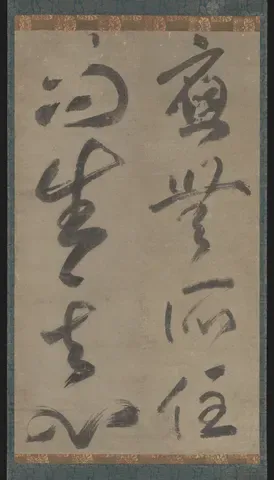 Ichigo-Ichie: One Time, One Meeting Ichigo-ichie was coined by Ii Naosuke, not Rikyū. What the four characters mean, where they come from, and what they ask of a tea gathering. 03
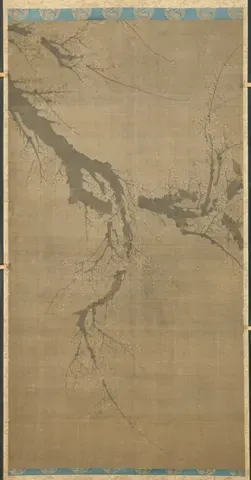 Sen no Rikyū (1522–1591): The Man Who Defined Tea How a Sakai merchant's son codified wabi-cha — the grass-hut room, the crawl-through door, the raku bowl — and why Hideyoshi ordered his death. 04
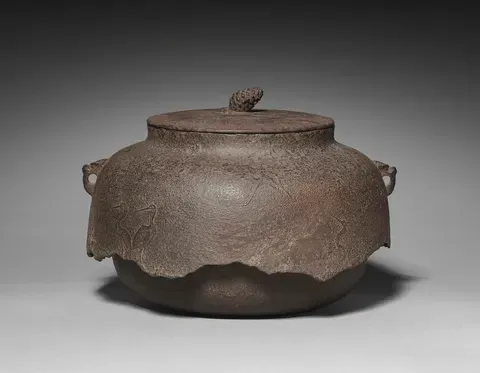 The Seven Rules of Rikyū Rikyū's seven rules of tea read like a caterer's checklist — make good tea, lay the charcoal, arrange flowers as in the field. Doing them is the hard part. 05
 The Three Schools: Omotesenke, Urasenke & Mushakōjisenke The san-Senke — Omotesenke, Urasenke, Mushakōjisenke — descend from Rikyū's grandson Sōtan's sons, not Rikyū directly. What sets the three houses apart. 06
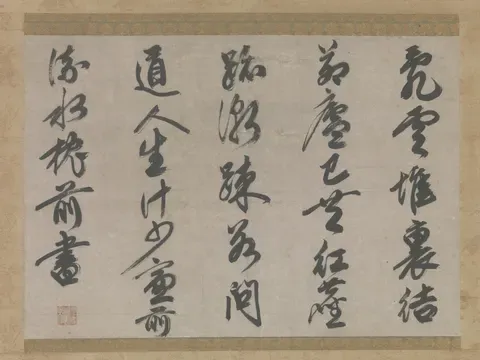 Wa-Kei-Sei-Jaku: The Four Principles of Tea Harmony, respect, purity, tranquility — the four principles at the heart of chadō, what each asks of host and guest, and why jaku is a result. 07
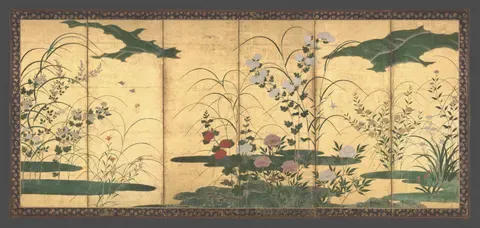 The Tea Year: Saijiki & Seasonality in Chadō How the saijiki, the haiku seasonal almanac, frames the tea year: the furo/ro changeover, robiraki and kuchikiri, shincha, and a gathering tuned to the season. 08 Tea Meditation: Mindfulness in a Single Bowl What tea meditation is, minus the fluff: a fixed sequence of simple tasks that holds attention better than trying to relax, plus its honest Zen roots. 09
 Bringing Wa-Kei-Sei-Jaku Into Everyday Life The four principles of tea — harmony, respect, purity, tranquility — applied off the tatami, kept faithful to what they mean in the tea room.
Eisai and the Arrival of Tea in Japan Tea reached Japan twice. The first time, in the ninth century, it faded. The monk Eisai brought it back in 1191, bound to Zen — and that time it held. 02 Ichigo-Ichie: One Time, One Meeting Ichigo-ichie was coined by Ii Naosuke, not Rikyū. What the four characters mean, where they come from, and what they ask of a tea gathering. 03 Sen no Rikyū (1522–1591): The Man Who Defined Tea How a Sakai merchant's son codified wabi-cha — the grass-hut room, the crawl-through door, the raku bowl — and why Hideyoshi ordered his death. 04 The Seven Rules of Rikyū Rikyū's seven rules of tea read like a caterer's checklist — make good tea, lay the charcoal, arrange flowers as in the field. Doing them is the hard part. 05 The Three Schools: Omotesenke, Urasenke & Mushakōjisenke The san-Senke — Omotesenke, Urasenke, Mushakōjisenke — descend from Rikyū's grandson Sōtan's sons, not Rikyū directly. What sets the three houses apart. 06 Wa-Kei-Sei-Jaku: The Four Principles of Tea Harmony, respect, purity, tranquility — the four principles at the heart of chadō, what each asks of host and guest, and why jaku is a result. 07 The Tea Year: Saijiki & Seasonality in Chadō How the saijiki, the haiku seasonal almanac, frames the tea year: the furo/ro changeover, robiraki and kuchikiri, shincha, and a gathering tuned to the season. 08 Tea Meditation: Mindfulness in a Single Bowl What tea meditation is, minus the fluff: a fixed sequence of simple tasks that holds attention better than trying to relax, plus its honest Zen roots. 09 Bringing Wa-Kei-Sei-Jaku Into Everyday Life The four principles of tea — harmony, respect, purity, tranquility — applied off the tatami, kept faithful to what they mean in the tea room.