L1 · The Leaf
The Seven Japanese Green Teas, Explained
Sencha, gyokuro, matcha, hōjicha, genmaicha, bancha and kukicha: what each is, how shade, harvest and processing set them apart, and how to brew them.
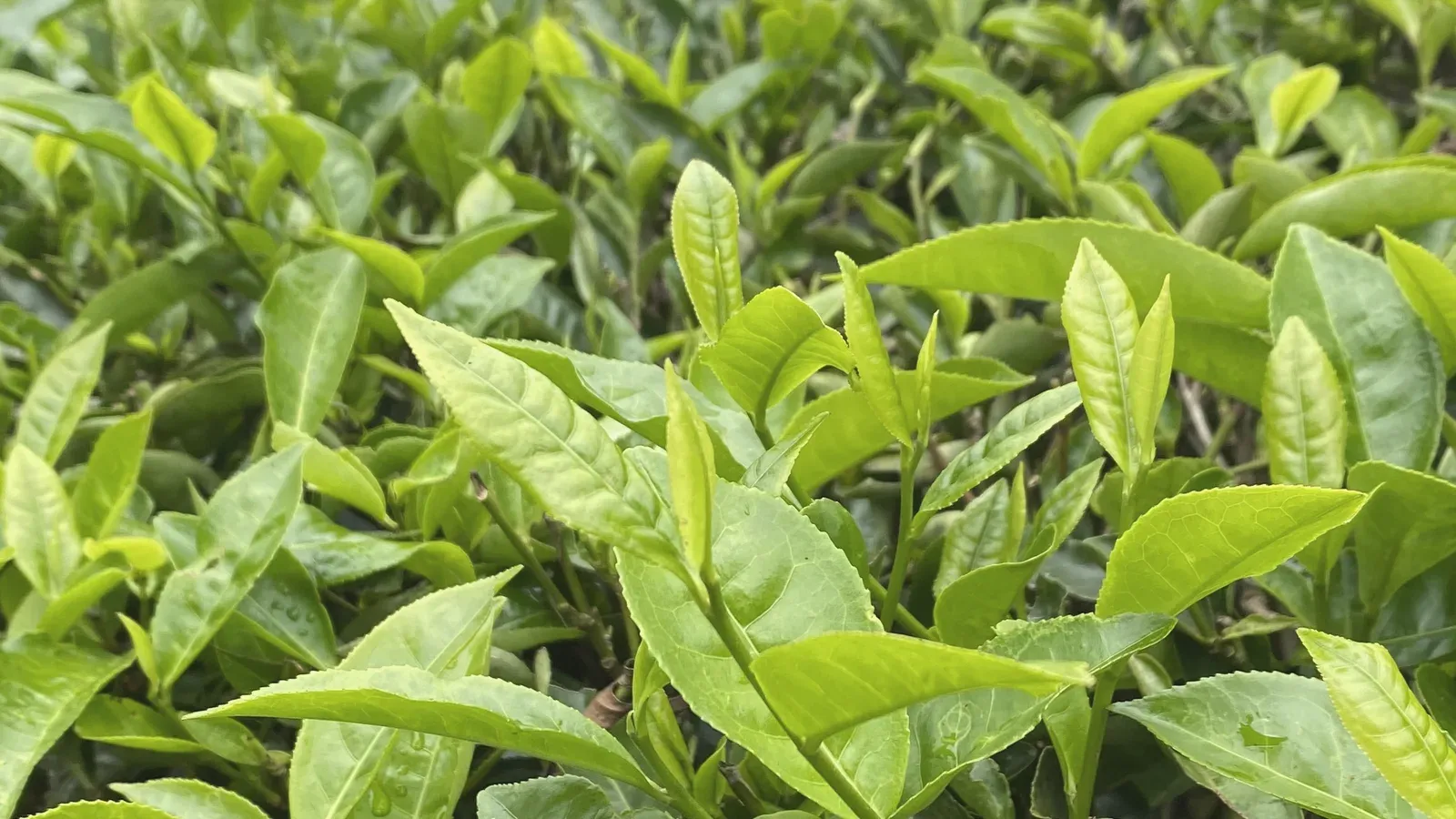
Japanese green teas split by three choices made around harvest: whether the plant is shaded, when it is picked, and what is done to the leaf after it is steamed. Nearly all are steamed, which sets them apart from pan-fired Chinese green tea. Matcha is ground from a shaded, unrolled leaf called tencha. Gyokuro is shaded too but rolled like sencha.
Walk into a good Japanese tea shop and the names arrive fast: sencha, gyokuro, matcha, hōjicha, genmaicha, bancha, kukicha. Seven teas, one plant. All of them come from Camellia sinensis, all unoxidized, all green. What sets them apart is a short sequence of decisions made in the weeks around harvest and in the first hours after the leaf is picked 1. Learn those decisions and the shelf stops being a list to memorize. It becomes a set of variations you can reason your way through.
This page is the orientation. Each tea below links to a deeper guide where one exists.
The one fact that unlocks the category: steaming
If you remember a single thing about Japanese tea, make it this. Chinese green tea is mostly fired in a hot pan or drum to halt oxidation. Japanese green tea is steamed instead — steamed, not pan-fired. Within a day of the pick, the leaf runs through steam for anywhere from a few seconds to two minutes, which deactivates the enzymes that would otherwise brown it, fixes the color, and locks in the fresh, marine, vegetal character that firing tends to toast toward nut and roast 1. That one process is why a Japanese green tea tastes greener, cleaner, and more savory than a Chinese one. The exceptions are small: a handful of regional pan-fired teas (kamairicha, 釜炒り茶) survive in Kyūshū, but for the whole rest of the shelf, if it is Japanese and green, it was steamed.
I would put it more plainly than most guides do. The steamed-versus-pan-fired split is the single fact that unlocks the category, because every tea below is a variation played on a steamed leaf. Get that, and the seven names stop competing for attention and line up as a family.
Steam length then becomes a style of its own. Short-steamed (asamushi, 浅蒸し) sencha keeps whole, needle-like leaves and pours a clear, bright cup. Long-steamed (fukamushi, 深蒸し) sencha breaks the leaf down further, gives a deeper, cloudier green, and tastes rounder and fuller in the mouth. Same leaf, same field, a longer minute in the steam.
The three decisions behind the seven teas
One steamed leaf becomes seven teas through three choices, made in order. Hold these three and you can place almost any tin you pick up.
One: shade, or full sun
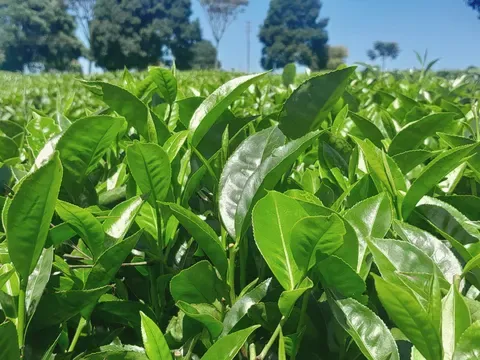
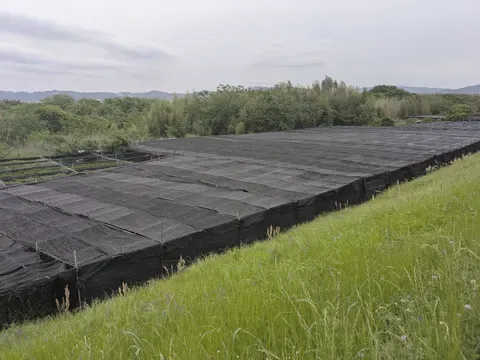
Cover the plant for two to four weeks before harvest and its chemistry shifts. Deprived of full light, the leaf changes what it makes. A 2020 review in Molecules records the core of it: under shade, the leaf preserves more of the amino acid L-theanine, the savory, faintly sweet compound Japanese tasters call umami (旨味), and converts less of it onward into catechins, so a shaded leaf such as tencha carries more theanine than any other tea, while its catechins, the compounds behind green-tea astringency and bitterness, stay comparatively low 6. Shade also drives up chlorophyll, which is why a well-shaded leaf glows a deeper green 6.
Three teas are shaded: gyokuro, tencha (the leaf ground into matcha), and kabusecha (かぶせ茶), a lightly shaded sencha covered for a week to ten days. Everything else grows in open sun: sencha, bancha, and the roasted and blended teas built from them. Shaded teas taste rounder, sweeter, and more brothy than their sun-grown relatives, and they cost more, because the covers are labor and the shaded field yields less. That trade is why growers bother to hang the screens. What the shade does to caffeine and L-theanine specifically is its own subject, covered in matcha, caffeine and L-theanine.
Two: when the leaf is picked
Tea flushes in waves through the year, and the timing of the pick sets the grade. The first flush of spring, ichibancha (一番茶), pushed out in late April and May after a winter of stored sugars and amino acids, gives the sweetest, most theanine-rich leaf, and it commands the highest price. Fresh first-flush sencha sold young is shincha (新茶), the prized seasonal cup. Later flushes through summer (second, third, and beyond) grow faster in stronger sun, build more catechin, and read coarser and more astringent in the cup 1. The gentle, mature leaf picked late in the season is what becomes bancha. Earlier and younger means finer and sweeter. Later and coarser means plainer and cheaper. Grade, in Japanese tea, is mostly a story about the calendar.
Three: what happens after the steam
The steamed leaf can go several ways, and this last fork is what gives each tea its final shape.
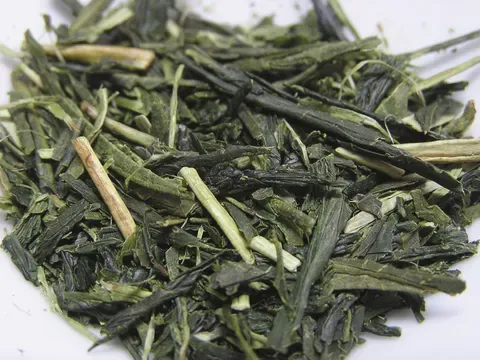
- Rolled into needles. Most Japanese leaf tea is rolled and kneaded as it dries, which ruptures the cell walls, twists the leaf into tight dark needles, and trains it to release quickly into hot water. Sencha and gyokuro are both rolled this way.
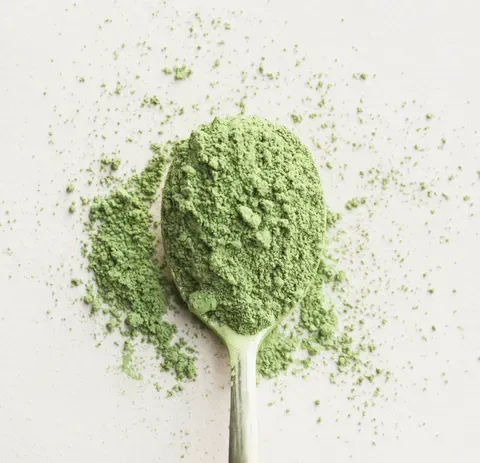
- Dried flat and ground. For matcha, the leaf is dried open and flat, its stems and veins winnowed out, and only then stone-ground to powder. Skipping the roll is what makes the powder possible.
- Roasted. Take a finished green tea and roast it at high heat and it turns reddish-brown, sheds most of its grassy edge, and becomes hōjicha.
- Blended with roasted rice. Mix green tea with toasted rice and you have genmaicha — usually white rice, despite the name.
- Sorted for stems. The stems and twigs pulled out during sorting, gathered and brewed, become kukicha, or karigane when the stems come from a high-grade parent.
Shade, harvest, finish. Read those three in order for any Japanese green tea and you can predict its color, its sweetness, and roughly the temperature it wants before the water is even hot.
The seven, one at a time
Sencha (煎茶)
The everyday Japanese green tea, and the one most people mean by “Japanese tea.” Sencha accounts for the large majority of the country’s production. The plant grows in full sun, the leaf is steamed within a day of picking, then rolled through several stages into the familiar dark needles and dried 1. The rolling matters: it ruptures the leaf cells so the brew releases quickly and evenly. A good sencha sets a grassy top note against a clean astringency and a low sweetness underneath, and it wants water around 70–80°C — cooler for a sweeter, rounder cup 4. First-flush spring sencha, shincha, is the season’s prize. The method is younger than the tea ceremony — it dates to 1738 — and the full account is in sencha.
Gyokuro (玉露)
Sencha’s shaded sibling, and the most refined of the steeped-leaf teas. The plants are covered for roughly three weeks before picking, then the leaf is steamed and rolled exactly as sencha is 1. The processing is identical. The shade is the whole difference. The result is intensely umami, close to a light broth, low in astringency, and it demands cool, slow brewing to stay that way — Marukyu Koyamaen draws its first infusion at just 50–55°C 3. Reach for gyokuro when someone insists Japanese green tea is only bitter. Its low temperatures and short pours have their own guide: Gyokuro: Japan’s shaded treasure.
Matcha (抹茶)
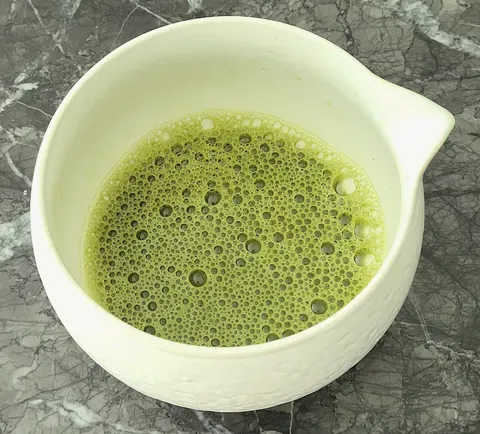
The powder in the family. Matcha is made by stone-grinding a leaf called tencha (碾茶). Tencha begins like gyokuro, shaded for three to four weeks, but after steaming it is dried flat and left unrolled, and its stems and leaf veins are stripped away, leaving clean flecks of leaf blade 1. Those flecks are then ground between slow granite stones into a powder fine enough to stay suspended in whisked water. Because you drink the whole leaf rather than an infusion of it, matcha delivers more of everything the leaf holds. Whisk it into water around 80°C. The full leaf-to-powder process is in What is tencha, and the tier question is settled in ceremonial vs. culinary matcha.
Matcha also fades faster than any rolled tea. An unrolled, ground leaf has enormous surface area exposed to air, so the pigment and aromatics that shade concentrated are the first to go dull. Buy small, keep it sealed and cold, and use it soon — the practical detail is in how to store matcha.
Hōjicha (ほうじ茶)
Roasted green tea. Take an already-finished green tea — usually bancha, sometimes sencha or kukicha — and roast it at high heat, and it turns reddish-brown and trades its grassy edge for a warm, toasty, almost caramel character 1. The roast also drives off much of the caffeine, which is why hōjicha is the standard evening tea and the one poured for children and served after meals. Low astringency, forgiving to brew, and it takes near-boiling water: run it at 90–100°C for a short steep 2. If it is new to you, start with Hōjicha: Japan’s roasted green tea.
Genmaicha (玄米茶)
Green tea — typically bancha, sometimes sencha — blended roughly half and half with roasted, sometimes popped rice 1. The name reads “brown rice tea,” but the rice is normally polished white. Brown rice keeps its bran, and the bran scorches in the roaster 9. It began as a way to stretch a modest tea, which is why it once carried a humble reputation, but the toasted-grain aroma and the soft, savory cup stand up well on their own. A genmaicha matcha version dusts the blend with a little matcha powder for color and body. Like the roasted teas, it wants hot water, around 90–100°C, to wake the grain 2. The blend, the name, and what the rice is really doing are laid out in genmaicha.
Bancha (番茶)
The plain, late-harvest everyday tea. Where sencha and gyokuro take the tender early growth, bancha comes from the larger, more mature leaves picked later in the season 1. The cup runs lighter, less sweet, and lower in caffeine than sencha, an unfussy daily drinker that near-boiling water treats kindly 2. Much of the tea that gets roasted into hōjicha or blended into genmaicha starts life as bancha, so the three are close cousins on one branch. It is also the loosest word on the shelf, and the smoky Kyoto style is a different tea again — both are taken up in bancha.
Kukicha / karigane (茎茶 / 雁ヶ音)
Stem tea. When premium leaf teas are sorted, the stems and twigs separate out, and gathered and brewed they make kukicha — light, mild, faintly sweet, rarely bitter 1. When the stems come from gyokuro or high-grade sencha, the tea is often called karigane, and it carries some of the parent tea’s sweetness at a fraction of the price. Stems hold little caffeine, so kukicha is another easy late-day choice. On temperature the guides split: many say a middling 70–80°C, while Kyoto houses such as Ippodo pour plain kukicha near boiling and reserve the cool water for karigane. Kukicha and karigane makes the case for treating the two differently.
The seven compared
The table earns its place here: read across any row and the three decisions resolve into a cup. Brew figures follow the fuller temperature and time guide, where the per-tea recipes and re-steeps are laid out.
| Tea | Sun or shade | After the steam | Flavor register | Brew |
|---|---|---|---|---|
| Sencha (煎茶) | Full sun | Rolled into needles | Grassy, clean, lightly sweet | 70–80°C, ~60 s |
| Gyokuro (玉露) | Shaded ~3 weeks | Rolled into needles | Intense umami, broth-like, low astringency | 50–60°C, slow |
| Matcha (抹茶) | Shaded ~3–4 weeks (as tencha) | Dried flat, de-veined, stone-ground | Concentrated, vegetal, sweet-bitter, frothy | Whisked ~80°C |
| Hōjicha (ほうじ茶) | Full sun (then roasted) | Roasted brown | Toasty, caramel, warm, low astringency | 90–100°C, ~30 s |
| Genmaicha (玄米茶) | Full sun | Blended with roasted rice | Toasted grain, savory, soft | 90–100°C, ~30 s |
| Bancha (番茶) | Full sun, late harvest | Rolled, coarser leaf | Light, mild, low sweetness | 90–100°C, ~30 s |
| Kukicha / karigane (茎茶 / 雁ヶ音) | Sun or shaded (the stems) | Stems sorted from leaf | Light, mild, faintly sweet | Karigane 70–80°C; plain kukicha hotter |
The single rule that prevents most bad cups: cool water for the fine, shaded teas, hot water for the roasted and coarse ones. Heat strips umami and pulls out bitterness, which is exactly wrong for gyokuro and exactly right for hōjicha 2. Matcha is the odd one out: you whisk it into water, so it earns its own method. See how to whisk matcha.
A note on grades and regions
Grade in Japanese tea mostly tracks harvest timing and leaf selection: earlier picks of younger, more tender leaves command higher grades, later and coarser leaves lower ones 1. Seller labels vary in what they claim, and the “ceremonial grade” tin is the clearest example, since any producer can print it and the checkable facts carry the real weight 7. Judge by what you can verify: harvest, cultivar, region, and the cup itself.
Region is the more reliable signal. Uji (宇治), just south of Kyoto, is the historic heart of fine matcha and gyokuro. More than a century ago Okakura noted the Uji district still “producing the best tea in the world” 5. Yame (八女) in Fukuoka is the celebrated gyokuro region, growing roughly half the national crop. Shizuoka (静岡) was the largest producer by volume for over a century, and Kagoshima (鹿児島), the warm, mechanized south, overtook it in total output in 2024. Prestige and volume diverge, which is the first thing to understand about the map. Origin gets its full treatment in Japan’s tea regions.
The history sits behind all of it. The whisked-powder tea that became matcha reached Japan from Song China in 1191, carried home by the monk Eisai (1141–1215), whose Kissa Yōjōki (喫茶養生記, “Drinking Tea for Health,” c. 1211) is Japan’s first tea treatise 8. Okakura describes the Song method Eisai brought exactly: the leaves “ground to fine powder in a small stone mill,” the drink “whipped in hot water by a delicate whisk made of split bamboo” 5. Eight hundred years later, that is still how a bowl of matcha is made.
Where to start
If you are new to this, buy a decent sencha and a hōjicha first. Between them they cover bright-and-green and warm-and-roasted, brew forgivingly, and cost little. Add a gyokuro when you want to feel what shade does to a leaf, and brew it cool and slow to meet it properly. Come to matcha when you are ready to whisk — and when you do, a short, honest starter kit beats an expensive one, and knowing how to whisk it matters more than what you spend.
One caution before you buy. Most sencha sold outside Japan is stale before it is ever brewed — green tea is a fresh product, and an anonymous tin that has sat on a shelf for a year will taste flat no matter how good the leaf once was. Buy from a seller who dates the harvest, and buy in amounts you will drink within a few months.
Seven names, one plant, three decisions: shade or sun, early or late, and what the hands do to the leaf after the steam. Hold those three and you can place any tin you pick up and predict the cup before the kettle sings. At the far end of that thinking — a 50°C spoonful of gyokuro, a whisked bowl of matcha — a whole culture of preparation grew up around the leaf, which is chadō, the Way of Tea. The leaf comes first. Everything after it is what Japan decided to do with what the plant gives.
The pieces
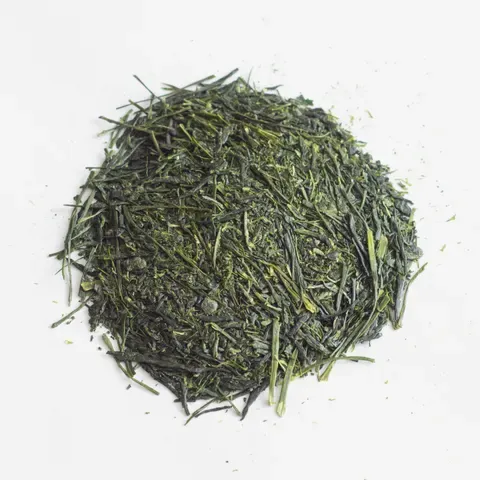 Sencha: Japan's Everyday Green Tea Sencha is over half of Japan's tea: steamed, rolled, brewed at 70–80°C. What it is, why rolled leaf brews fast, and how to choose a bag worth buying. 02
 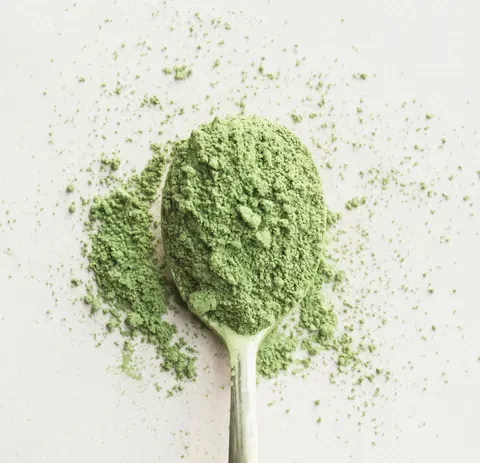 Ceremonial vs. Culinary Matcha: The Real Difference No legal standard defines 'ceremonial' or 'culinary' matcha. Here is what differs — shade, harvest, milling — and how to read a tin yourself. 03
 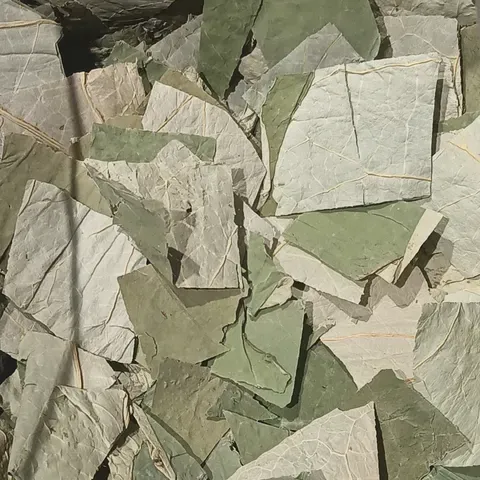 What Is Tencha? How Matcha Is Made, Leaf to Powder Tencha is the shaded, steamed, unrolled leaf that becomes matcha. Here is the full process, why each step matters, and how it differs from gyokuro. 04
 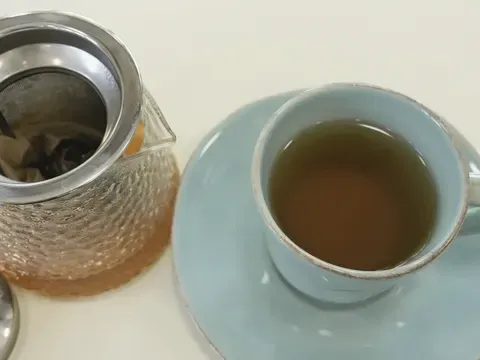 How to Brew Every Japanese Tea: A Temperature & Time Guide Exact water temperature, leaf weight, and steeping time for gyokuro, sencha, fukamushi, bancha, hōjicha, genmaicha and kukicha — and why heat makes tea bitter. 05
 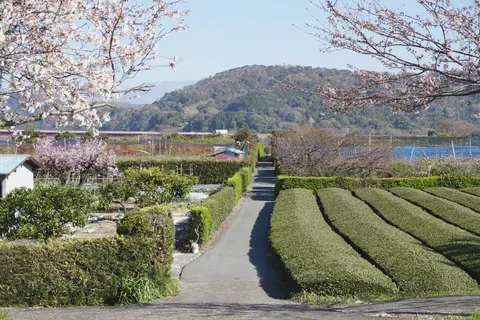 Japan's Tea Regions: Uji, Yame, Shizuoka & Kagoshima Where Japan's tea comes from: Uji's prestige, Yame's gyokuro, Shizuoka's scale, Kagoshima's rise to No. 1, and the honest limits of terroir. 06
 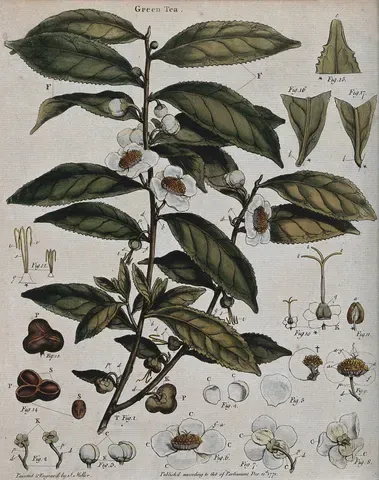 Matcha, Caffeine and L-Theanine: What the Science Shows What controlled studies show about matcha's caffeine and L-theanine: measured per-serving ranges, the 'calm energy' claim, and the honest limits. 07
 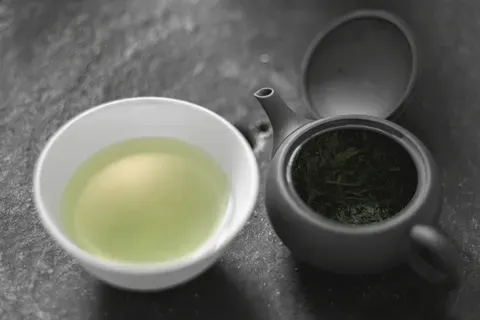 Gyokuro: Japan's Shaded Treasure (and How to Brew It) Gyokuro is shaded like tencha but rolled like sencha — a thick, sweet, broth-like green tea. What it is, why shading works, and how to brew it cool. 08
  Bancha: The Late-Harvest Tea Japan Actually Drinks Bancha is coarse leaf, low caffeine and cheap — and Japan's labelling standard defines it without naming a process. What the word covers, and what to buy. 09
 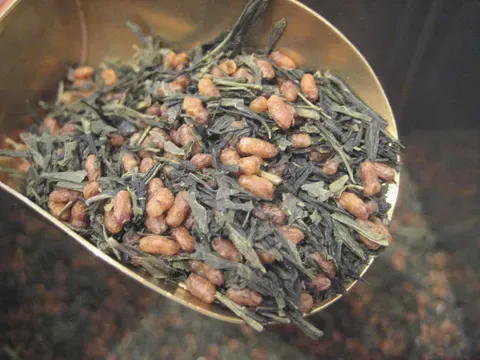 Genmaicha: Green Tea with Toasted Rice Genmaicha is green tea blended half-and-half with roasted rice — usually white rice, despite the name. What's in the bag, its caffeine, and how to brew it. 10
 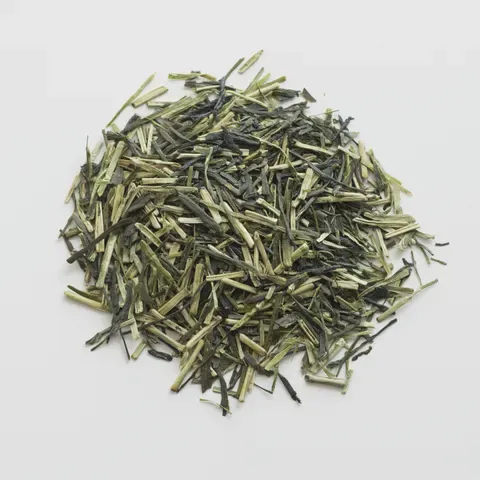 Kukicha & Karigane: The Twig Teas Kukicha is the stems a sorting machine pulls out of green tea. Stems hold far more theanine than the leaf, which is why the cup is sweet. What karigane means. 11
 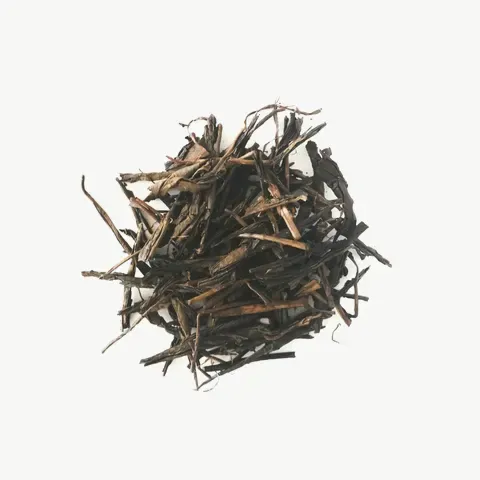 Hōjicha: Japan's Roasted Green Tea, Explained Hōjicha is green tea roasted until it turns brown — toasty, low in caffeine, and brewed near boiling. What it is, how the roast changes it, and how to make it. 12
  How to Store Matcha (So It Stays Green) Matcha fades fast once opened. Keep it airtight, opaque, cool, and dark, drink it within a month, and bring a cold tin to room temperature before you open it. 13
  Is Your Matcha Real? Telling Matcha From Green Tea Powder Japan's green tea imports rose 82% in FY2025. What separates matcha from ground green tea, which home tests work, and what a label must state. 14
  Japanese Tea Prices & Supply: A Tracked Reference Tencha auction averages, MAFF farm-gate and production figures, export and import volumes, and retail bands — each with its market, year and source named. 15
  Is Matcha Good for You? What the EGCG Evidence Shows Matcha is rich in the antioxidant EGCG — but you absorb very little of it. An honest look at the catechin evidence and the real caveats. 16
  Matcha vs Coffee: Caffeine, Cost, and What a Switch Involves Matcha is not cheaper than coffee. The 2026 numbers on caffeine per serving, cost per cup at home, café margins, and what switching involves in practice. 17
  The Matcha Shortage, Explained: Prices, Causes, What's Next Tencha output has nearly tripled in a decade, yet matcha keeps getting scarcer and dearer. What the 2026 auction figures show, and what to do about it.
 Sources
9sourcesGlobal Japanese Tea Association
SupportsClassification and processing of sencha, gyokuro, tencha, matcha, hōjicha, genmaicha, bancha, kukicha; steaming as the standard fixing method; gyokuro shaded ~3 weeks, tencha ~4 weeks; tencha rolling skipped entirely.
Global Japanese Tea Association
SupportsWarm brew 5 g / 80 mL / 60–70°C / 60–90 s; hot brew 5 g / 180 mL / 90–100°C / 20–30 s; cool water lowers catechin and caffeine extraction with little effect on theanine.
Marukyu Koyamaen
SupportsGyokuro first infusion 50–55°C for 1.5–2 min for maximum umami and least astringency; re-steeps a little hotter and shorter.
Marukyu Koyamaen
SupportsSencha: 10 g leaf, water cooled to 75°C, 60 s first infusion; same leaves used up to three times.
Okakura Kakuzō, The Book of Tea (1906)
SupportsUji district 'producing the best tea in the world'; the Sung whipped tea reached Japan in 1191 with the return of Eisai (Yeisai); leaves ground in a small stone mill and whipped with a split-bamboo whisk.
Jakubczyk et al., 'Health Benefits and Chemical Composition of Matcha Green Tea: A Review,' Molecules 26(1):85 (2020)
SupportsUnder shading theanine does not break down and tencha contains larger amounts than other teas; EGCG most abundant catechin; shade raises chlorophyll.
Tezumi
SupportsNo legal or regulated standard for 'ceremonial grade' matcha; a Western marketing term any seller can print on a tin.
Encyclopædia Britannica, 'Eisai'
SupportsEisai (1141–1215); returned from Song China in 1191; brought tea seeds and the powdered-tea method; credited with the tea treatise Kissa Yōjōki (c. 1211).
Global Japanese Tea Association, 'Genmaicha (玄米茶)'
SupportsDespite the name ('brown rice tea'), the rice blended into genmaicha is normally roasted white rice, sometimes glutinous (mochi) rice; proportions usually half rice and half tea; bancha the usual base.
Common questions
What is the difference between sencha and gyokuro?
The plant and the shade. Sencha grows in full sun, and gyokuro is covered for about three weeks before harvest. Both are steamed and rolled into needles the same way, so the processing is identical. The shade is what makes gyokuro sweeter, more brothy, and far lower in astringency, which is why it is brewed much cooler.
Is matcha a green tea?
Yes. Matcha is unoxidized green tea, ground to powder. It is made from tencha, a leaf shaded for three to four weeks, steamed, dried flat without rolling, and stripped of stem and vein before it is stone-ground. Because you drink the whole leaf whisked into water rather than steeping and discarding it, matcha delivers more of everything the leaf holds.
Why is Japanese green tea steamed?
Steaming stops oxidation within a day of picking and fixes the leaf green. It is the defining choice that separates Japanese green tea from Chinese, most of which is pan-fired. Steam keeps a fresh, marine, vegetal character that pan-firing tends to toast away, and it is why Japanese green teas taste greener and more savory than their Chinese counterparts.