The Leaf
Japanese Tea Prices & Supply: A Tracked Reference
Tencha auction averages, MAFF farm-gate and production figures, export and import volumes, and retail bands — each with its market, year and source named.
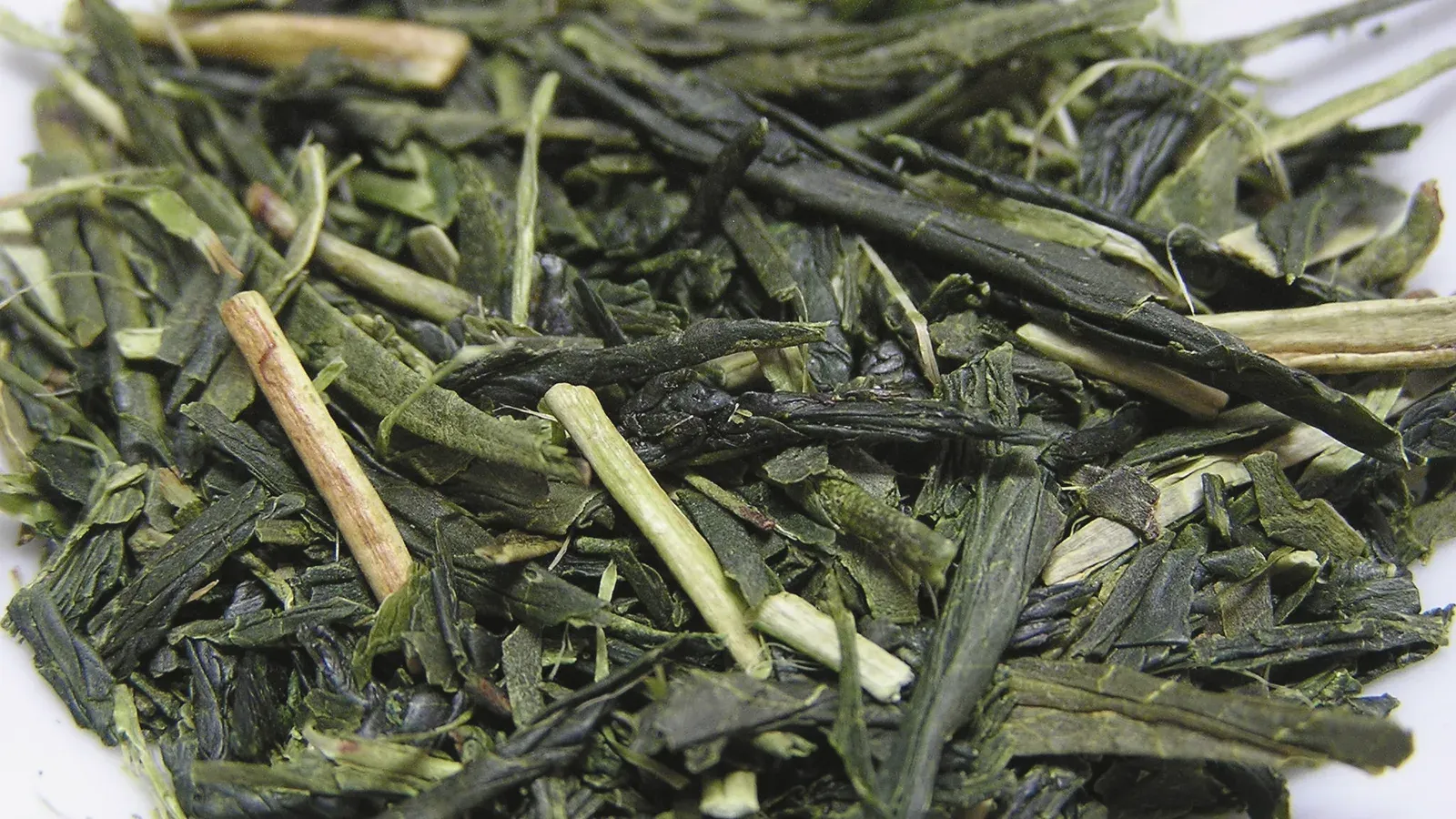
A maintained table of the numbers behind Japanese tea pricing: tencha auction averages by market and year, MAFF farm-gate prices and production tonnage, Finance Ministry export and import figures, and the retail bands that follow them. Published matcha prices contradict each other constantly, almost always because three separate series get quoted as one. Every figure here names its market, its year, and its source.
Last reviewed: 8 August 2026. Figures below are the most recent published at that date.
Read the series before you quote the number
Four different quantities all get called “the price of matcha,” and they differ by more than a hundredfold.
| What it measures | Who publishes it | 2024–26 order of magnitude |
|---|---|---|
| Farm-gate price — what a grower receives for aracha | MAFF, annual | ¥1,000–4,000/kg |
| Auction average — one distribution centre, one session | JA Zen-Noh, prefectural markets, reported by GJTA | ¥9,000–21,000/kg |
| Top-lot auction price — a single prize lot | Same markets | ¥180,000–1,180,000/kg |
| Retail — a finished, packed tin | Shops | ¥15,000–100,000+/kg equivalent |
A trade article that says “matcha hit ¥1.18 million a kilogram” is describing one prize lot of Shizuoka leaf at one April session 2. An article saying “tencha averages ¥3,278” is quoting MAFF’s 2024 farm-gate figure 3. Both are true. Neither is what you pay.
The most common error in circulation is subtler: a whole series shifted by a year. Kettl’s 2026 update gives a Kyoto first-flush machine-harvested tencha series of ¥5,402/kg for 2024 and ¥14,541/kg for 2025 10. GJTA reports the ¥13,972/kg average as the 2026 first market and names ¥8,235 as the previous record 1, which matches Ooika’s independently published series exactly 4. Two sources agree with each other and disagree with the third by a season. Check the year and the market before repeating any of these.
Tencha auction averages
The Kyoto first market at the JA Zen-Noh Uji distribution centre in Jōyō is the single most-quoted series in the category.
| Year | Kyoto first market, machine-picked tencha | Change |
|---|---|---|
| 2022 | ~¥3,800/kg | — |
| 2023 | ~¥4,800/kg | +26% |
| 2024 | ~¥6,000/kg | +25% |
| 2025 | ¥8,235/kg | +37% (record at the time) |
| 2026 | ¥13,972/kg | ~1.7× |
2022–2025 from Ooika 4; 2026 from GJTA 1. The 2026 session took 375 lots totalling about 25 tonnes 1.
Regional markets, 2026 season:
| Market | Date | Figure |
|---|---|---|
| Kagoshima, first auction | 6 April | Averages +60% year on year 2 |
| Shizuoka | 20 April | Average ¥9,019/kg, down; top lot ¥1.18 m vs ¥880,000 2 |
| Uji | 24 April | Average ¥20,879/kg, from ¥17,098; gyokuro top ¥500,000/kg; sencha top ¥333,339/kg 2 |
| Koka, Shiga (sencha) | — | Average doubled to ¥14,232/kg; top bid ¥180,000/kg 1 |
| Kagoshima, tencha event | — | Average ~¥19,000/kg, ~1.8× prior year; 27 factories, 5.8 t 1 |
| Hand-picked tencha (trade) | 2026 | ¥45,000–60,000/kg 4 |
Shizuoka is the line to notice. Its average fell in the same season Kyoto’s tencha average rose about seventy percent. The pressure is specific to shaded leaf, and the sencha heartland is on the other side of it.
Farm-gate prices (MAFF, 2024)
| Tea | Average farm-gate price |
|---|---|
| Tencha, first flush | ¥3,891/kg |
| Tencha, all | ¥3,278/kg |
| Sencha | ¥1,197/kg |
From MAFF’s March 2026 situation report 3. The tencha-to-sencha ratio here — roughly 2.7 to 1 — is the number that explains the field conversions described in the matcha shortage. Ippodo told customers in February 2026 that producer prices for matcha had risen 2.6-fold in a year 9.
Production and cultivated area
| Measure | Figure | Period |
|---|---|---|
| Tencha production | 5,336 t (~2.7× FY2014) | FY2024 |
| National aracha production | ~75,100 t | FY2025 |
| Cultivated tea area | ~33,400 ha | FY2025 |
| Kagoshima aracha | 30,000 t | FY2025 |
| Shizuoka aracha | 24,100 t | FY2025 |
| Kagoshima tencha | ~2,150 t (~40% of national) | 2024 |
MAFF, March 2026 3, with the Kagoshima tencha share from GJTA 1. Kagoshima has now led aracha for two consecutive fiscal years and heads the tencha table ahead of Kyoto and Shizuoka 3.
Volume at the top of the range moved the other way. Hand-picked Uji tencha fell about 40 percent between 2024 and 2025, and mechanised first-harvest tencha about 18 percent 5.
Exports and imports
| Measure | FY2025 | Change |
|---|---|---|
| Green tea exports, volume | 13,125 t | +42% |
| Green tea exports, value | ¥84.7 bn | ×2.2 |
| Powdered share of export volume | ~70% | — |
| Green tea imports | 5,801 t | +82% |
Ministry of Finance customs-cleared statistics, via Kyodo 7. Exports of sencha and other leaf grades fell in the same year 7.
For a baseline: in 2021 total green tea export value was ¥20.4 billion, with the United States taking ¥10.3 billion of it, and powdered forms accounting for 65 percent of value. The export unit price then ran ¥4,411/kg for powdered against ¥2,244/kg for other green tea 8. Value has therefore risen roughly fourfold in four years.
The import line deserves more attention than it gets. Japan brought in 5,801 tonnes of green tea in fiscal 2025, up 82 percent, while exporting 13,125 7. Imported leaf and powder are legitimate ingredients for plenty of products. They are also the raw material for anything sold as matcha that never grew in Japan, and that ratio is now close to one imported tonne for every two exported.
The producer base
| Year | Tea farms in Japan |
|---|---|
| 2000 | 53,687 |
| 2015 | 19,603 |
| 2024 | ~12,000 |
From Ooika 4. Over 70 percent of remaining growers were past 65 as of 2024 4, and only a few hundred farms produce tencha at commercial ceremonial quality 6. A tea bush takes four to five years to reach full production, so plantings made against 2026 prices arrive in volume around 2030 6.
Retail and wholesale
Increases on the 2025 crop, by grade 5:
| Grade | Wholesale increase |
|---|---|
| Top ceremonial | +75% |
| Mid | +50% |
| Entry / culinary | +30% |
Retail moved roughly 15 to 20 percent through late 2025 and early 2026, with a further 5 to 10 percent expected as costly stock clears inventory 5. Japanese retailers are expected to reduce pack sizes or raise prices about 20 percent 1. At the top of the market, Ooika reports heritage matcha that sold near $49 per 20 grams now going above $100 4.
One consequence lands inside the tea room rather than the shop. A bowl of usucha takes about 2 grams of powder; koicha takes around 4, and calls for a better grade to carry the thickness — the comparison is in usucha vs. koicha. At 2025-crop prices a koicha practice is now roughly four times the powder cost of a thin-tea one, which is a real constraint on how often a student can practise it.
Converted to the unit that matters when you are standing in a shop: a 30 gram tin at $30 is $1.00 a gram. The stone mill that produced it turns out about 40 grams an hour, a constraint explained in what is tencha, and hand-picked leaf entering that mill costs ¥45,000–60,000 a kilogram before anyone has ground, packed or shipped it 4. Arithmetic will not get a genuine first-flush ceremonial powder far below that line. Tins that clear it comfortably are telling you something about their contents, which is the argument in ceremonial vs. culinary matcha.
What this page is for
Three things it does. It names the market and the year for every figure, so a number can be traced rather than repeated. It keeps the four price series apart. And it records the import line, which most coverage of the shortage leaves out.
Two things it does not do. It carries no forecast beyond what the cited trade sources state, and it quotes no shop’s shelf price, because those move weekly and a reference page that goes stale in a fortnight is worse than none.
For what these teas are rather than what they cost, the survey of the seven Japanese green teas is the place to start. This page is reviewed quarterly against MAFF’s Ocha wo Meguru Jōsei, the Global Japanese Tea Association’s monthly reports, and Ministry of Finance trade statistics — the three sources that publish on a schedule. Auction figures land between April and June, so the spring review is the one that matters. Where a figure here disagrees with something you have read elsewhere, the likeliest cause is the series, not the arithmetic: check which market, and check the year.
Sources
10sourcesGlobal Japanese Tea Association, Japanese Tea Report (May 2026)
Supports2026 Kyoto first tencha market, JA Zen-Noh Uji Tea Distribution Center, Jōyō: machine-picked average ¥13,972/kg, ~1.7× the ¥8,235 record; 375 lots, ~25 t. Kagoshima tencha event: 27 factories, 5.8 t, average ~¥19,000/kg, ~1.8× prior year. Kagoshima ~2,150 t tencha in 2024, ~40% of national output. Koka City (Shiga) tencha cultivation +70%. Raw-material costs more than double; retailers expected to shrink packs or raise prices ~20%. Koka sencha top bid ¥180,000/kg, average doubled to ¥14,232/kg
Global Japanese Tea Association, Japanese Tea Report (April 2026)
SupportsUji market 24 April 2026: average ¥20,879/kg from ¥17,098; gyokuro top ¥500,000/kg (+~30%); sencha top ¥333,339/kg. Shizuoka 20 April: top ¥1.18 m/kg vs ¥880,000, average fell to ¥9,019/kg. Kagoshima first auction 6 April: averages +60%. Kyoto season transaction value projected to roughly double to ~¥10.4 bn, tencha ~90% of trade
MAFF, Ocha wo Meguru Jōsei (March 2026), reported by Matcha Wholesale Japan
SupportsTencha ~2.7× FY2014→FY2024, reaching 5,336 t; cultivated area ~33,400 ha; aracha ~75,100 t FY2025; Kagoshima 30,000 t vs Shizuoka 24,100 t for two consecutive years; tencha prefecture order Kagoshima, Kyoto, Shizuoka; 2024 farm-gate tencha ¥3,278/kg (first flush ¥3,891) vs sencha ¥1,197/kg
Ooika, Five Matcha Shortage Facts
SupportsKyoto first-auction tencha series ~¥3,800 (2022), ~¥4,800 (2023), ~¥6,000 (2024), ¥8,235 (2025 record). Tea farms 53,687 (2000), 19,603 (2015), ~12,000 (2024); >70% of growers past 65. Hand-picked tencha ¥45,000–60,000/kg. Heritage matcha ~$49 per 20 g rising above $100. Domestic consumption −40% 2008–2023 while exports rose ninefold to ¥29.2 bn
One with Tea, 2026 Matcha Industry Outlook
SupportsHand-picked Uji tencha −40% 2024→2025; mechanised first-harvest tencha −18%. Wholesale on the 2025 crop: top ceremonial +75%, mid +50%, culinary +30%. Retail +15–20% late 2025 to early 2026; 2026 auctions forecast to stabilise at or modestly above 2025
One with Tea, The 2026 Matcha Shortage Explained
SupportsTea plants take four to five years to reach maturity; new plantings not on shelves in volume until roughly 2030; only a few hundred farmers grow tencha at commercial quality; ceremonial tencha concentrated in Uji, Nishio, Kagoshima, Shizuoka
Kyodo News, reporting Ministry of Finance customs-cleared trade statistics
SupportsFY2025 (year to March 2026): green tea exports 13,125 t, +42%; value ¥84.7 bn, a 2.2-fold rise; powdered green tea ~70% of export volume; imports 5,801 t from China and elsewhere, +82%; exports of sencha and other leaf varieties fell
Nippon.com, from Ministry of Finance Trade Statistics of Japan
Supports2021 baseline: export value ¥20.4 bn, +26.1%, a record for the second year running; United States ¥10.3 bn (~50% of the total), Germany ¥2.0 bn, Taiwan ¥1.7 bn; powdered forms 65% of export value (¥13.33 bn); export unit price ¥4,411/kg for powdered vs ¥2,244/kg for other green tea
Ippodo Tea, supply notice (19 February 2026)
SupportsProducer prices for matcha rose 2.6× year on year, making shaded cultivation more profitable than bancha; five bancha, hōjicha and genmaicha products discontinued from 1 March 2026
Kettl, Matcha Pricing: 2026 Update
SupportsQuotes a Kyoto first-flush machine-harvested tencha series of ¥5,402/kg (2024), ¥14,541/kg (2025) and ~¥23,000/kg estimated (2026) — a year out of step with the GJTA and Ooika series; retains named retail products from $45 to $85 a tin
Image: User:USAGI-WRP, Wikimedia Commons · CC BY 3.0
Common questions
Why do published matcha prices disagree so much?
Because at least four different numbers get called 'the matcha price': the farm-gate price a grower receives, the first-market auction average at a specific distribution centre, the national MAFF aggregate, and the retail shelf price. They differ by more than an order of magnitude. MAFF put the 2024 farm-gate average for tencha at 3,278 yen a kilogram in the same period auction lots were clearing five figures. Both are correct; they measure different things.
What is the current price of tencha?
At the 2026 first market at the JA Zen-Noh Kyoto Uji distribution centre in Jōyō, machine-picked tencha averaged 13,972 yen a kilogram, about 1.7 times the 8,235 yen record set the previous year. Kagoshima's 2026 tencha event averaged around 19,000 yen. Hand-picked tencha trades far higher, roughly 45,000 to 60,000 yen.
How much matcha does Japan actually produce?
Tencha output — the leaf that becomes matcha — reached 5,336 tonnes in FY2024, about 2.7 times the FY2014 figure. That sits inside a national aracha crop of roughly 75,100 tonnes in FY2025 across about 33,400 hectares. Kagoshima is now the largest tencha prefecture, ahead of Kyoto and Shizuoka.
Is Japan importing tea now?
Yes, and rising fast. Finance Ministry customs data show 5,801 tonnes of green tea imported from China and elsewhere in fiscal 2025, up 82 percent year on year, against 13,125 tonnes exported. The import figure is the number to watch if you care whether the powder in a tin labelled matcha grew in Japan.