Topic
brewing
8 pieces.
01 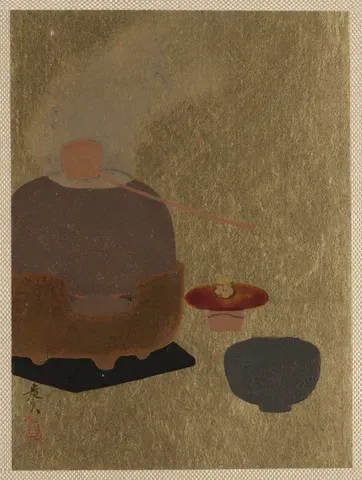 Bancha: The Late-Harvest Tea Japan Actually Drinks Bancha is coarse leaf, low caffeine and cheap — and Japan's labelling standard defines it without naming a process. What the word covers, and what to buy. 02
 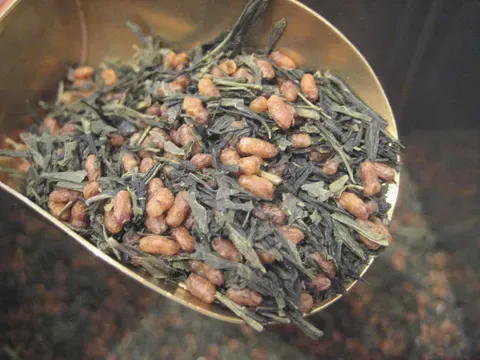 Genmaicha: Green Tea with Toasted Rice Genmaicha is green tea blended half-and-half with roasted rice — usually white rice, despite the name. What's in the bag, its caffeine, and how to brew it. 03
 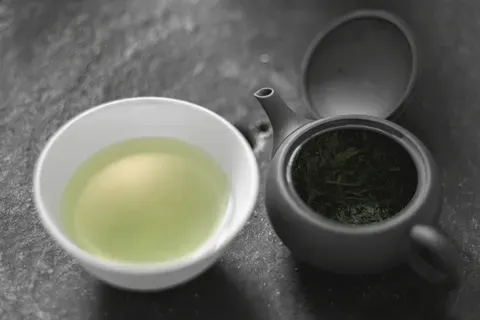 Gyokuro: Japan's Shaded Treasure (and How to Brew It) Gyokuro is shaded like tencha but rolled like sencha — a thick, sweet, broth-like green tea. What it is, why shading works, and how to brew it cool. 04
 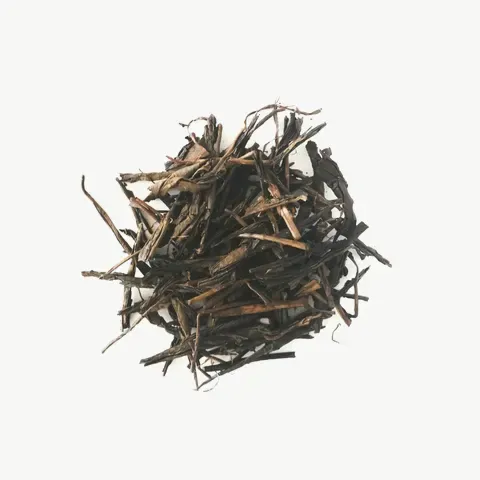 Hōjicha: Japan's Roasted Green Tea, Explained Hōjicha is green tea roasted until it turns brown — toasty, low in caffeine, and brewed near boiling. What it is, how the roast changes it, and how to make it. 05
 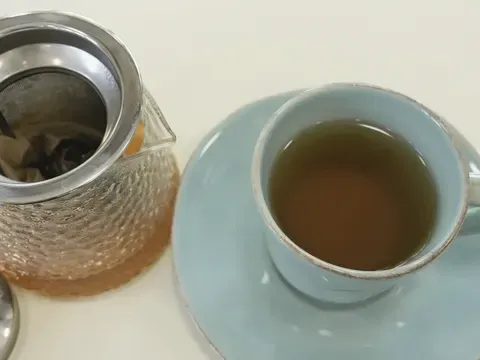 How to Brew Every Japanese Tea: A Temperature & Time Guide Exact water temperature, leaf weight, and steeping time for gyokuro, sencha, fukamushi, bancha, hōjicha, genmaicha and kukicha — and why heat makes tea bitter. 06
 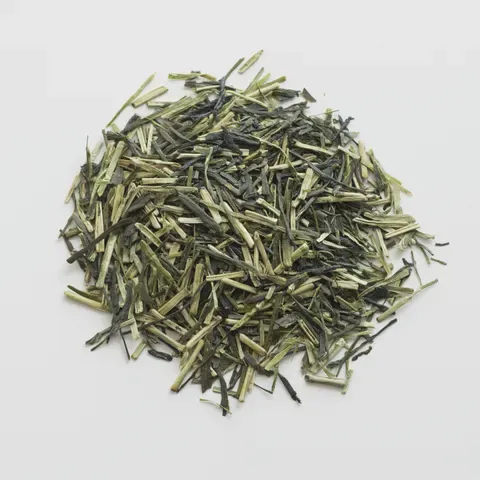 Kukicha & Karigane: The Twig Teas Kukicha is the stems a sorting machine pulls out of green tea. Stems hold far more theanine than the leaf, which is why the cup is sweet. What karigane means. 07
 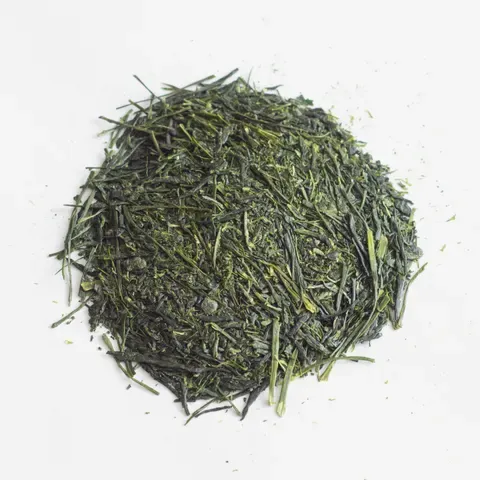 Sencha: Japan's Everyday Green Tea Sencha is over half of Japan's tea: steamed, rolled, brewed at 70–80°C. What it is, why rolled leaf brews fast, and how to choose a bag worth buying. 08
 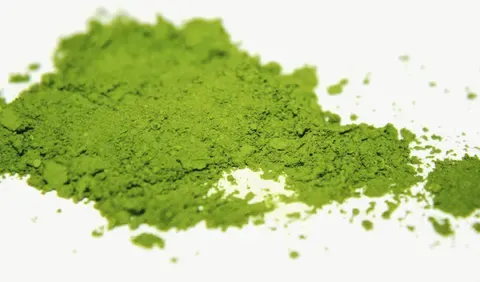 Why Your Matcha Tastes Bitter (and How to Fix It) Bitter matcha is almost always a fixable mistake: water too hot, powder unsifted, the wrong grade, or a stale tin. The five causes and the fix for each.
Bancha: The Late-Harvest Tea Japan Actually Drinks Bancha is coarse leaf, low caffeine and cheap — and Japan's labelling standard defines it without naming a process. What the word covers, and what to buy. 02 Genmaicha: Green Tea with Toasted Rice Genmaicha is green tea blended half-and-half with roasted rice — usually white rice, despite the name. What's in the bag, its caffeine, and how to brew it. 03 Gyokuro: Japan's Shaded Treasure (and How to Brew It) Gyokuro is shaded like tencha but rolled like sencha — a thick, sweet, broth-like green tea. What it is, why shading works, and how to brew it cool. 04 Hōjicha: Japan's Roasted Green Tea, Explained Hōjicha is green tea roasted until it turns brown — toasty, low in caffeine, and brewed near boiling. What it is, how the roast changes it, and how to make it. 05 How to Brew Every Japanese Tea: A Temperature & Time Guide Exact water temperature, leaf weight, and steeping time for gyokuro, sencha, fukamushi, bancha, hōjicha, genmaicha and kukicha — and why heat makes tea bitter. 06 Kukicha & Karigane: The Twig Teas Kukicha is the stems a sorting machine pulls out of green tea. Stems hold far more theanine than the leaf, which is why the cup is sweet. What karigane means. 07 Sencha: Japan's Everyday Green Tea Sencha is over half of Japan's tea: steamed, rolled, brewed at 70–80°C. What it is, why rolled leaf brews fast, and how to choose a bag worth buying. 08 Why Your Matcha Tastes Bitter (and How to Fix It) Bitter matcha is almost always a fixable mistake: water too hot, powder unsifted, the wrong grade, or a stale tin. The five causes and the fix for each.