Topic
matcha
16 pieces.
01 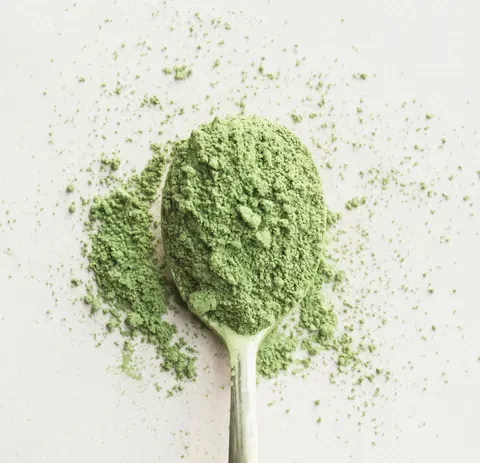 Ceremonial vs. Culinary Matcha: The Real Difference No legal standard defines 'ceremonial' or 'culinary' matcha. Here is what differs — shade, harvest, milling — and how to read a tin yourself. 02
 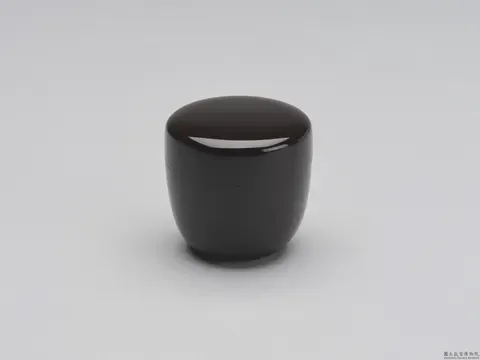 How to Store Matcha (So It Stays Green) Matcha fades fast once opened. Keep it airtight, opaque, cool, and dark, drink it within a month, and bring a cold tin to room temperature before you open it. 03
 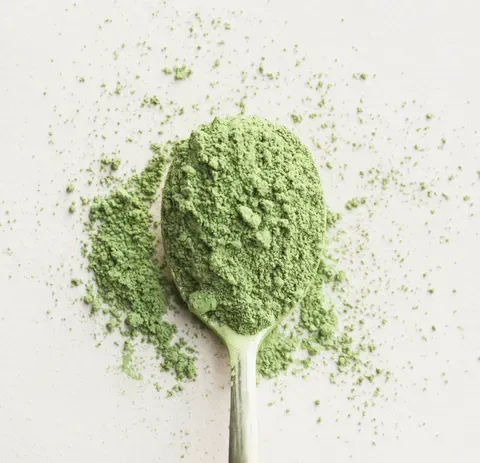 Is Your Matcha Real? Telling Matcha From Green Tea Powder Japan's green tea imports rose 82% in FY2025. What separates matcha from ground green tea, which home tests work, and what a label must state. 04
 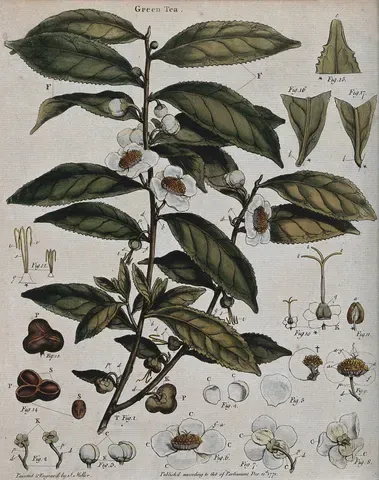 Matcha, Caffeine and L-Theanine: What the Science Shows What controlled studies show about matcha's caffeine and L-theanine: measured per-serving ranges, the 'calm energy' claim, and the honest limits. 05
 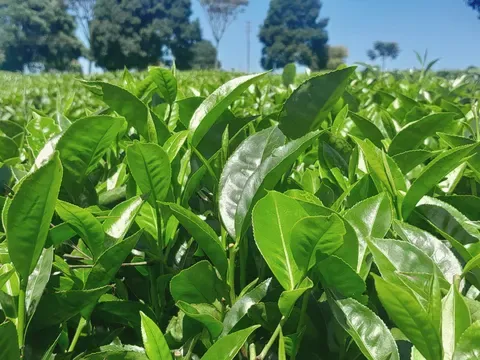 Is Matcha Good for You? What the EGCG Evidence Shows Matcha is rich in the antioxidant EGCG — but you absorb very little of it. An honest look at the catechin evidence and the real caveats. 06
 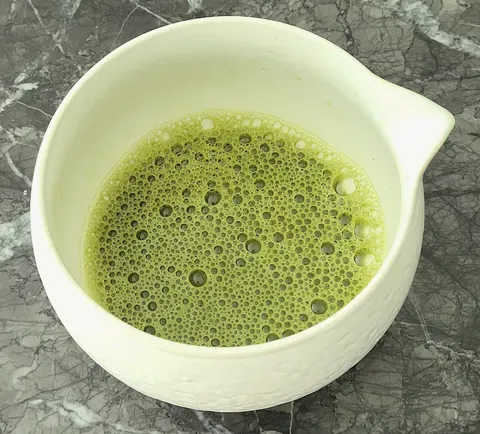 Matcha vs Coffee: Caffeine, Cost, and What a Switch Involves Matcha is not cheaper than coffee. The 2026 numbers on caffeine per serving, cost per cup at home, café margins, and what switching involves in practice. 07
 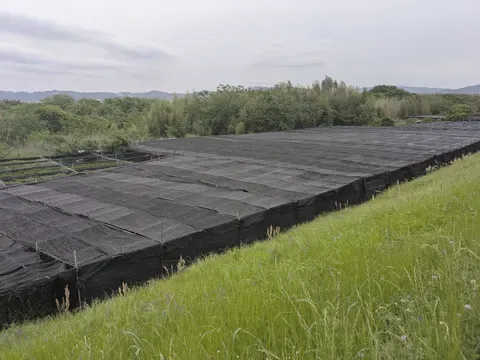 The Matcha Shortage, Explained: Prices, Causes, What's Next Tencha output has nearly tripled in a decade, yet matcha keeps getting scarcer and dearer. What the 2026 auction figures show, and what to do about it. 08
 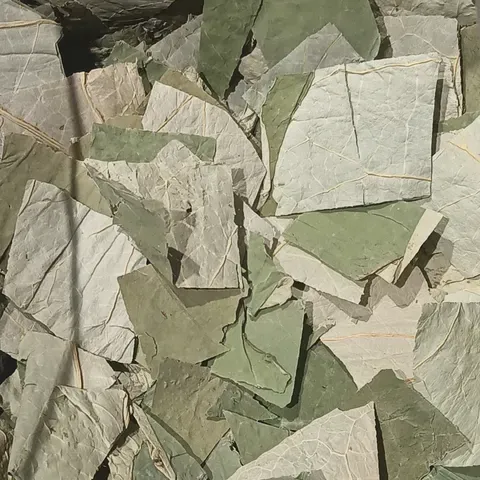 What Is Tencha? How Matcha Is Made, Leaf to Powder Tencha is the shaded, steamed, unrolled leaf that becomes matcha. Here is the full process, why each step matters, and how it differs from gyokuro. 09
 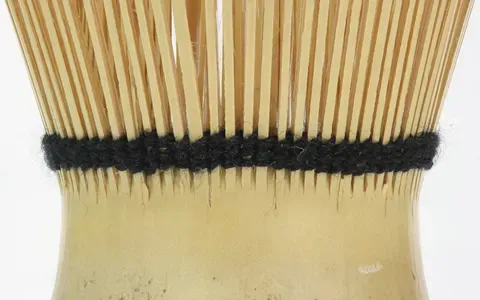 The Chasen: Types, Prong Counts & Care How a bamboo matcha whisk is carved from one node, which prong count to buy for usucha or koicha, and how to make it last. 10
 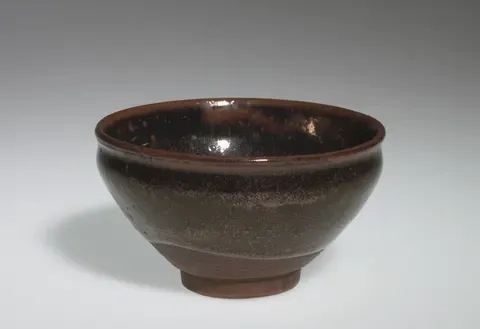 The Chawan: How to Read, Choose & Hold One How to read a Japanese tea bowl — its shape, foot, and front — and how to choose a first chawan and hold it without a beginner's fumble. 11
 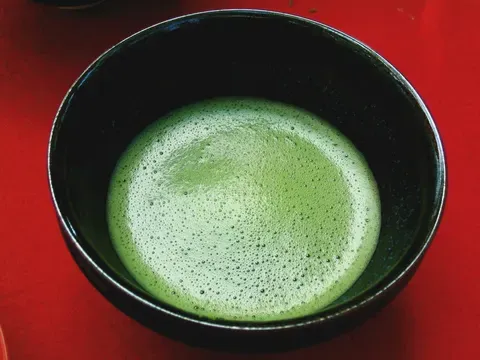 Usucha vs. Koicha: Thin Tea and Thick Tea Usucha is the thin, whisked, frothy bowl. Koicha is thick tea, kneaded to a syrup and shared from one bowl, and the formal heart of the ceremony. 12
 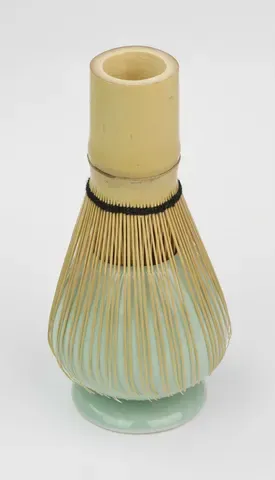 How to Whisk Matcha Properly (The W/M Technique) Most bad matcha at home is a whisking problem, not a matcha problem. Sift, use cooler water, and whisk briskly in a W from the wrist. 13
 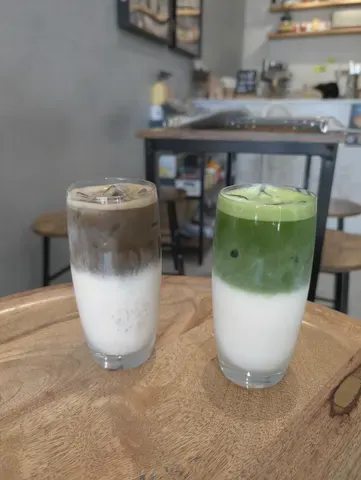 How to Make a Matcha Latte at Home A café matcha latte is mostly technique you can do at home: sift, make a paste, whisk, add milk. The method for hot and iced, and the grade to use. 14
 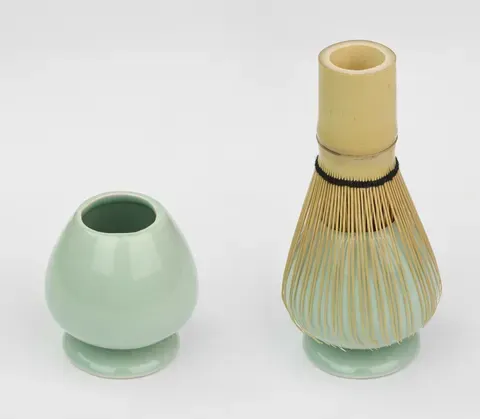 The Beginner's Matcha Starter Kit: What You Actually Need What a matcha starter kit requires, what's optional, and what you can improvise. The whisk and fresh matcha are where money matters; the rest can wait. 15 Tea Meditation: Mindfulness in a Single Bowl What tea meditation is, minus the fluff: a fixed sequence of simple tasks that holds attention better than trying to relax, plus its honest Zen roots. 16
 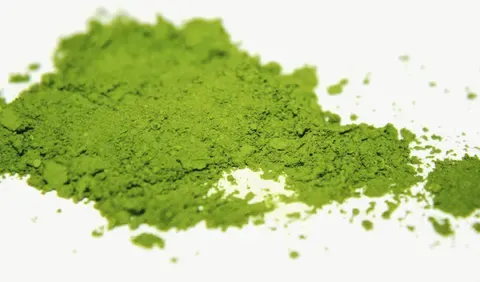 Why Your Matcha Tastes Bitter (and How to Fix It) Bitter matcha is almost always a fixable mistake: water too hot, powder unsifted, the wrong grade, or a stale tin. The five causes and the fix for each.
Ceremonial vs. Culinary Matcha: The Real Difference No legal standard defines 'ceremonial' or 'culinary' matcha. Here is what differs — shade, harvest, milling — and how to read a tin yourself. 02 How to Store Matcha (So It Stays Green) Matcha fades fast once opened. Keep it airtight, opaque, cool, and dark, drink it within a month, and bring a cold tin to room temperature before you open it. 03 Is Your Matcha Real? Telling Matcha From Green Tea Powder Japan's green tea imports rose 82% in FY2025. What separates matcha from ground green tea, which home tests work, and what a label must state. 04 Matcha, Caffeine and L-Theanine: What the Science Shows What controlled studies show about matcha's caffeine and L-theanine: measured per-serving ranges, the 'calm energy' claim, and the honest limits. 05 Is Matcha Good for You? What the EGCG Evidence Shows Matcha is rich in the antioxidant EGCG — but you absorb very little of it. An honest look at the catechin evidence and the real caveats. 06 Matcha vs Coffee: Caffeine, Cost, and What a Switch Involves Matcha is not cheaper than coffee. The 2026 numbers on caffeine per serving, cost per cup at home, café margins, and what switching involves in practice. 07 The Matcha Shortage, Explained: Prices, Causes, What's Next Tencha output has nearly tripled in a decade, yet matcha keeps getting scarcer and dearer. What the 2026 auction figures show, and what to do about it. 08 What Is Tencha? How Matcha Is Made, Leaf to Powder Tencha is the shaded, steamed, unrolled leaf that becomes matcha. Here is the full process, why each step matters, and how it differs from gyokuro. 09 The Chasen: Types, Prong Counts & Care How a bamboo matcha whisk is carved from one node, which prong count to buy for usucha or koicha, and how to make it last. 10 The Chawan: How to Read, Choose & Hold One How to read a Japanese tea bowl — its shape, foot, and front — and how to choose a first chawan and hold it without a beginner's fumble. 11 Usucha vs. Koicha: Thin Tea and Thick Tea Usucha is the thin, whisked, frothy bowl. Koicha is thick tea, kneaded to a syrup and shared from one bowl, and the formal heart of the ceremony. 12 How to Whisk Matcha Properly (The W/M Technique) Most bad matcha at home is a whisking problem, not a matcha problem. Sift, use cooler water, and whisk briskly in a W from the wrist. 13 How to Make a Matcha Latte at Home A café matcha latte is mostly technique you can do at home: sift, make a paste, whisk, add milk. The method for hot and iced, and the grade to use. 14 The Beginner's Matcha Starter Kit: What You Actually Need What a matcha starter kit requires, what's optional, and what you can improvise. The whisk and fresh matcha are where money matters; the rest can wait. 15 Tea Meditation: Mindfulness in a Single Bowl What tea meditation is, minus the fluff: a fixed sequence of simple tasks that holds attention better than trying to relax, plus its honest Zen roots. 16 Why Your Matcha Tastes Bitter (and How to Fix It) Bitter matcha is almost always a fixable mistake: water too hot, powder unsifted, the wrong grade, or a stale tin. The five causes and the fix for each.