The Leaf
Matcha Alternatives: What to Use When Matcha Runs Short
Powdered sencha for a whisked bowl, hōjicha for a latte, brewed sencha for caffeine. Which matcha substitutes are honest, and which got dearer in 2026.
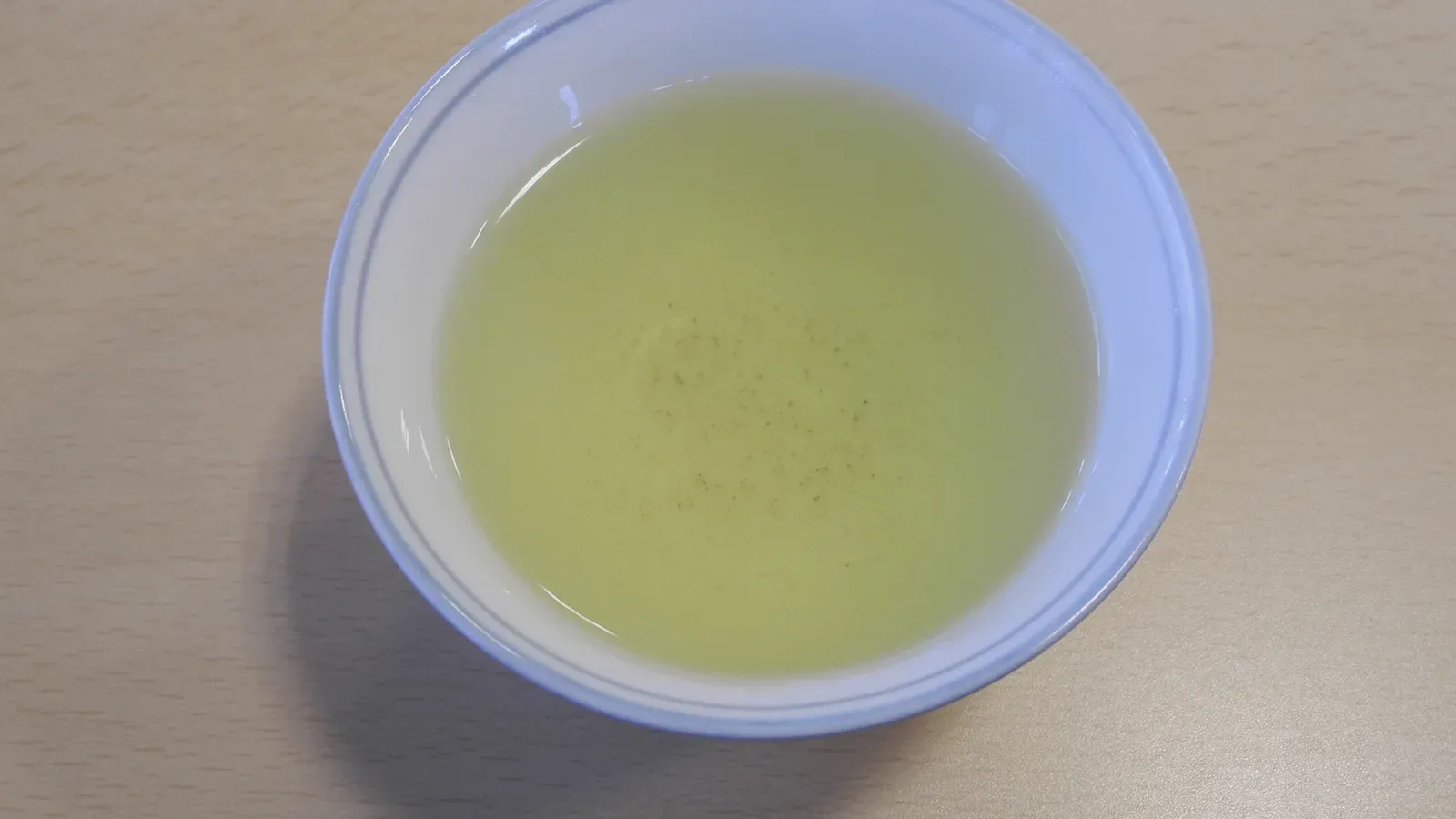
Choose the substitute by what you wanted from matcha. For a whisked bowl, use powdered sencha (funmatsucha): sun-grown leaf milled whole, more astringent and less green, at a fraction of the price. For a latte, hōjicha. For caffeine, brewed sencha. Avoid tins that stretch a little matcha with cheaper green powder. Few of these escape the shortage: Ippodo’s autumn 2026 price list raised hōjicha and gyokuro faster than its matcha.
On 1 October 2026 the Kyoto house Ippodo raised the price of its cheapest matcha in Japan, Hatsu-mukashi, from ¥648 to ¥864 for a 20 g box. A month later its plain hōjicha moved from ¥756 for 100 g to ¥1,080 for 80 g 6. Per gram, the matcha went up by a third. The hōjicha went up 79 percent.
That’s the problem with the usual advice to drink something else while the matcha shortage lasts. The teas people reach for come from the same fields, and growers are turning those fields over to tencha because tencha pays. In February Ippodo put Kyoto producer prices at ¥14,141 a kilogram for machine-harvested tencha against ¥1,225 for bancha, the coarse leaf its hōjicha and genmaicha are made from 4. By September the house was reporting that gyokuro, sencha and bancha output had fallen hard in 2026 and their prices had soared 5.
So the useful question is narrower: what you wanted from the matcha. A bowl to whisk, a green colour in a cake, a steady dose of caffeine and a latte each have a different honest answer, and some of them cost more than they did a year ago.
Matcha, powdered tea, konacha: three powders, three products
Japan’s tea industry defines these terms in its Green Tea Labelling Standard, last revised in July 2026 1. The definitions decide what you get when you buy a powder, so start there.
| Name | Definition | How you drink it |
|---|---|---|
| Matcha (抹茶) | Tencha, shaded leaf dried without rolling, ground fine in a stone mill or a mill that works like one 1 | Whisked, whole leaf in suspension |
| Powdered tea, funmatsucha (粉末茶) | Any tea ground to powder by a mill 1; for green tea, sencha in a ball mill or similar 11 | Stirred or whisked; never fully dissolves 7 |
| Konacha (粉茶) | The fine particles sifted out while sencha or gyokuro is refined, cut leaf included 1 | Brewed through a strainer; does not dissolve 11 |
| Instant green tea | A brewed extract dried with hot air 7 | Dissolves completely |
Konacha is the sushi-bar tea, poured scalding into heavy cups 11, and the usual filling of tea bags 10. It’s a good cup of tea, made for a different job. The trap is the name. Ippodo sells a product called sencha-ko (煎茶粉), literally “sencha powder”, and its own page files it under konacha and brews it like drip coffee: 5 g in a strainer, 200 ml of boiling water poured through 12. It belongs in a strainer, and the bowl is the wrong place for it.
The two powders you can whisk share a trade code as well. Since January 2019, Japan’s export statistics have counted matcha and funmatsucha together under HS 0902.10-100, “powdered”, while konacha goes in with leaf tea 2. Powdered tea made up 69 percent of Japan’s green tea exports by volume in 2025 2. Export figures reported as matcha include powdered sencha, in a proportion the statistics cannot show.
The substitutes side by side
| What you wanted | Use this | How close it gets | 2026 price direction |
|---|---|---|---|
| A whisked bowl | Powdered sencha (funmatsucha) | Same bowl and whisk; sharper taste, duller green | Sencha, its raw leaf: Ippodo’s 80 g bags mostly up 20–40% |
| Colour and flavour in baking | Culinary matcha with stated origin and flush; funmatsucha where colour matters less | Culinary matcha is the real thing; funmatsucha gives a duller green | Culinary up about 30% on the 2025 crop, less than top grades |
| Caffeine with a calm cup | Brewed sencha; gyokuro if budget allows | Different drink, similar caffeine over two cups | Sencha up modestly; gyokuro sharply |
| The latte | Hōjicha powder or a strong leaf concentrate | A different drink in the same format | Up steeply, still far below matcha per gram |
For the whisked bowl: powdered sencha
Funmatsucha is the closest thing to matcha you can buy cheaply. You drink the whole leaf, you use the same scoop, bowl and chasen, and the powder hangs in the water without dissolving, as matcha does 7.
The difference is the shade. Sencha grows in fields open to the sun 4. In sunlight, as the Global Japanese Tea Association explains it, the leaf breaks down theanine, the amino acid behind matcha’s sweetness, and builds more of the bitter, astringent catechins 9. Shaded leaf keeps its theanine, and it carries more chlorophyll: one analysis put tencha at 5.65 mg of chlorophyll per gram against 4.33 mg in ordinary green tea 8. Japan’s food composition tables point the same way, with 13.0 g of tannin per 100 g of sencha leaf against 10.0 g in matcha 3. So you’ll get a yellower green and a cup that bites. Ricardo Caicedo, who writes the My Japanese Green Tea guides, describes funmatsucha as tasting “like a concentrated sencha, quite astringent and bitter” 13.
Powdered sencha is the honest substitute for a bowl of matcha, because it is plainly what it says: a cheaper tea, milled whole, sold under its own name. In the leaf, if not in every step of processing, it is also the older drink. When tea first reached Japan the plants grew in open sun, and Uji growers began covering them only around the end of the 1400s on GJTA’s dating 9, about three centuries after Eisai brought the whisked-powder habit back from Song China in 1191. The tea in those early bowls came from sun-grown leaf.
To make it, keep the matcha routine and change two things. Try water a few degrees cooler than you would use for matcha, since cooler water draws out fewer of the catechins that make sun-grown leaf bite (the mechanism is in how to brew Japanese tea). And buy small: powdered tea goes stale faster than leaf does, so buy it well packed and finish it quickly 13. On the national figure for sencha leaf, which is what funmatsucha is milled from, 2 g carries about 46 mg of caffeine, against about 64 mg in 2 g of matcha 3.
For colour in baking: culinary matcha, or funmatsucha with lower expectations
If you want the green in a cake or a cookie, a substitute will disappoint you. The colour comes from the chlorophyll that shading builds 8. The honest move is to keep matcha and buy the right grade.
The labelling standard already has a category for it. Tencha from autumn picking, along with the leaf called moga-cha, is dried unrolled like any tencha and set aside as tencha for food processing 1. Culinary matcha mostly comes from leaf picked after the first harvest 15, and it has risen less than the top of the range: on the 2025 crop, wholesale prices climbed about 30 percent for culinary grades against 75 percent for top ceremonial 14. The supply is thinner than it was, though. Bushes grown for matcha often skip their second harvest to recover 4.
Funmatsucha works in baking where the tea flavour matters more than the colour, in a sponge with plenty of sugar, say, or a dark cookie. With less chlorophyll to start from, expect a duller green.
For caffeine with a calm cup: sencha, then gyokuro
People who drink matcha for its steady caffeine can get most of it from a teapot. The national food tables give the figures 3:
| Tea | Caffeine | How MEXT measured it |
|---|---|---|
| Matcha, 2 g bowl | ~64 mg | Powder at 3.2 g per 100 g |
| Sencha, brewed | 20 mg per 100 ml | 10 g leaf, 430 ml at 90°C, 1 minute |
| Gyokuro, brewed | 160 mg per 100 ml | 10 g leaf, 60 ml at 60°C, 2.5 minutes |
| Hōjicha, brewed | 20 mg per 100 ml | 15 g leaf, 650 ml at 90°C, 30 seconds |
A 150 ml cup of sencha brewed that way holds about 30 mg, so two cups land near a bowl of matcha. Gyokuro is shaded for about twenty days before picking 1, which keeps more theanine in the leaf 9, and it is brewed so concentrated that its infusion measures eight times sencha’s caffeine per 100 ml. Caffeine is the only thing this table compares. What the theanine and caffeine pairing does, and how little of it is settled, is set out in matcha, caffeine and L-theanine.
Price separates them. Across all flushes of the 2025 crop, crude sencha fetched ¥1,746 a kilogram, kabusecha ¥2,387, gyokuro ¥3,699 and tencha ¥8,562 2. Then 2026 happened to gyokuro. Ippodo reported that Kyoto gyokuro had climbed close to tencha’s price level 5, and its retail list followed: Kanro gyokuro went from ¥2,160 to ¥3,780 for 50 g, and the top gyokuro doubled 6. On the same list Ippodo’s matcha rose between 20 and 50 percent, and Hōsen, a mid-range sencha, rose 20 6.
That settles it. Gyokuro is no longer a cheap way out of matcha prices. Gyokuro is still the better tea to know, but sencha is the substitute.
For the latte: hōjicha
Hōjicha is sencha or bancha roasted over strong heat 1, and its powder makes a latte in the same format as a matcha latte. It shares the format and little else, brown and toasted where matcha is green and grassy. The method, the ratios and the reason the powder wants cooler water than the leaf are in how to make a hōjicha latte.
Ippodo makes its hōjicha from bancha, the cheapest of the four leaves on its Kyoto producer-price list, and part of that bancha comes from the second harvest that matcha growers often skip 4. In February Ippodo announced that from 1 March it would stop selling six bancha-family products on its global store, among them its Gokujo hōjicha and genmaicha and a 400 g bag of Hojiko 4. Its autumn revisions raised plain hōjicha 79 percent a gram and roughly doubled genmaicha, from ¥6.48 a gram to ¥13.50 6.
Even so, the plain hōjicha at ¥13.50 a gram costs under a third of the cheapest matcha at ¥43.20 6. The gap is narrowing, and fast.
The dishonest substitute: matcha cut with green powder
The other substitute is the tin that calls itself matcha and contains some. Crude sencha fetched about a fifth of tencha’s price on the 2025 crop 2, and milled, the two look much alike 13. A powder that is mostly sencha with a little matcha in it costs far less to make than matcha and is hard to tell from it in the tin.
Japan’s labelling standard handles blends plainly. A mixed tea names its heaviest component last, in the form “X-iri Y-cha” (〇〇入り××茶), Y-cha with X in it 1. So matcha-iri on a label means matcha is the smaller part, as in matcha-iri genmaicha, genmaicha with matcha dusted through for colour 10. That is an honest product, and it says what it is. The dishonest version is a powder sold as matcha whose ingredient list reads “matcha, green tea powder”, or a “matcha blend” that never says how much. You’re paying a matcha price for funmatsucha you could have bought on its own for less. Is your matcha real? covers the label checks that catch it.
What to buy
Buy for each job separately. Keep a small tin of good matcha for the bowls you care about, 20 g you will finish within the month that opened matcha keeps well. For daily drinking, alternate a well-packed funmatsucha in the same bowl with sencha brewed in a pot. Keep hōjicha for the latte, and look through the rest of the Japanese leaf for the everyday pot. If you bake, buy a culinary matcha that names its origin and flush, and never a “matcha blend”.
Expect all four to keep moving. Ippodo’s September notice concluded that the conversion to tencha would continue, because tencha yields more and processes more efficiently even after gyokuro’s rise 5. The figures behind that are tracked, market by market, in Japanese tea prices.
Sources
15sources日本茶業中央会 (Japan Tea Central Public Interest Association), 緑茶の表示基準 / Green Tea Labelling Standard
SupportsLast revised 10 July 2026 (令和8年7月10日改正). 実施細則 表1: no.8 抹茶 「碾茶(覆下栽培した茶葉を碾茶炉等で揉まずに乾燥したもの)を茶臼等で微粉末状に製造したもの」; no.9 粉茶 「仕上げ工程でふるい分けされた粉末状の茶をいう。荒粉、切断された葉を含む」; no.12 粉末茶 「茶を粉砕機等により粉末にしたもの」; no.13 ほうじ茶 「煎茶や番茶などを強い火で焙って製造したもの」; no.15 混合茶 「異なった茶種を混合したもの。もっとも重量の多いお茶を末尾に記入する。(〇〇入り××茶を記載)」; no.3 玉露 shaded 「20日程度」; no.4 かぶせ茶 「摘採前7日程度」. Note to 抹茶: 茶臼等 includes mills 「石臼に準じた機能を備えているもの」; autumn tencha and moga-cha dried unrolled are 「食品加工用碾茶と称してもっぱら食品加工用原料に供される」
MAFF (農林水産省), お茶をめぐる情勢 (July 2026)
SupportsHS 0902.10-100 「粉末状のもの(平成31年1月1日から新設)」 covers 抹茶 and 粉末茶 「茶を粉砕器等により粉末にしたもの」; 粉茶 「はHSコード上では『その他のもの』に含まれる」. 2025: powdered green tea 8,718 t of 12,612 t exported (69%), 84% of value; unit price ¥6,927/kg powdered vs ¥3,007/kg other. 2025-crop aracha prices, all flushes (全国茶生産団体連合会): せん茶 ¥1,746/kg (48.1% of output), 玉露 ¥3,699, かぶせ茶 ¥2,387, てん茶 ¥8,562, 玉緑茶 ¥2,094
MEXT (文部科学省), 日本食品標準成分表2020年版(八訂), 第2章本表 16 し好飲料類
SupportsRead from the chapter 2 data workbook linked on this page. Per 100 g: 16035 抹茶 「カフェイン:3.2 g、タンニン:10.0 g」; 16036 せん茶 茶 「カフェイン:2.3 g、タンニン:13.0 g」; 16033 玉露 茶 カフェイン 3.5 g. Infusions per 100 g: 16034 玉露 「浸出法:茶 10 g/60 °C 60 mL、2.5分」 カフェイン 0.16 g; 16037 せん茶 「茶 10 g/90 °C 430 mL、1分」 カフェイン 0.02 g; 16040 ほうじ茶 「茶 15 g/90 °C 650 mL、0.5分」 カフェイン 0.02 g
Ippodo Tea, 'Important Notice: Industry Supply Shortages and Upcoming Bancha Restrictions' (19 February 2026)
Supports'In Kyoto, the producer price for machine-harvested Matcha (known as tencha before it is ground into a powder to become Matcha) averaged 14,141 yen/kg, compared to 8,447 yen/kg for Gyokuro, 4,482 yen/kg for Sencha, and 1,225 yen/kg for Bancha.' Hōjicha, genmaicha and Obukucha are 'all made from Bancha'. 'the second harvest is often skipped for tea plants used for Matcha production'; 'we expect the second harvest, which provides a portion of the leaves for Bancha, to be smaller'; 'Sencha and Bancha are grown in fields where they can soak up the sunlight'. Sales of six global-store products discontinued from 1 March 2026, all hōjicha, genmaicha or bancha lines (Gokujo Hojicha 200 g, Gokujo Genmaicha 200 g, Kuki Hojicha 200 g, Wakayanagi 200 g, Hojiko 400 g, One-Cup Teabag Hojicha 2 g × 108)
一保堂茶舗 (Ippodo Tea), 2026年10月・11月 商品仕様の見直しと価格改定について (1 September 2026)
Supports2026-crop trading: 「玉露・煎茶・番茶類の生産量は大きく落ち込み、取引価格は高騰しました」; matcha output rose sharply but its price still beat the previous year; 「玉露も抹茶に近い水準まで上昇していますが、抹茶は収量が多く、生産効率も高いことから、現状では抹茶生産への転換が続く」; sencha and bancha prices soared but 「同じ重量あたりでは依然として抹茶の方が高い水準」 (Kyoto market data)
一保堂茶舗 (Ippodo Tea), 2026年10月〜 商品価格改定一覧 (PDF linked from the 1 September 2026 notice)
SupportsTax-included prices, new vs current. Matcha from 1 Oct 2026 rises 20–50% across the list (sticks and organic +20%, 閑坐 and 久遠 +50%): 初昔 20 g ¥864 (was ¥648); 雲門の昔 20 g ¥5,400 (¥4,320); 閑坐 20 g ¥16,200 (¥10,800). Gyokuro: 天下一 50 g ¥10,800 (¥5,400); 甘露 50 g ¥3,780 (¥2,160). Sencha: 嘉木 80 g ¥3,780 (¥2,700); 芳泉 80 g ¥1,944 (¥1,620); 煎茶粉 80 g ¥864 (¥756). Bancha from 1 Nov 2026: ほうじ茶 80 g ¥1,080 (was 100 g ¥756); 玄米茶 80 g ¥1,080 (was 100 g ¥648)
ITO EN (伊藤園), よくいただくご質問: 「粉茶」、「粉末茶」、「抹茶」、「インスタントティー」の違い
Supports粉茶: 「玉露や煎茶をつくる工程で出る粉の部分だけを選別したもの。急須や茶こしを使って飲むことができます。」 粉末茶: 「茶葉を丸ごと粉砕したもの。お湯を注ぎ攪拌した後、飲むことができますが、茶葉がお湯や水に完全に溶けきることはありません。」 抹茶: てん茶を丸ごと粉砕したもの. インスタントティー: 「一度、抽出した液体を熱風で乾燥させたもの」, dissolves in hot or cold water
Kochman J., Jakubczyk K. et al., 'Health Benefits and Chemical Composition of Matcha Green Tea: A Review', Molecules 26(1):85, 2021
SupportsRead via Europe PMC full text. 'The level of chlorophyll in Tencha leaves was higher than in traditional green tea, amounting to 5.65 mg/g and 4.33 mg/g, respectively'; shade-growing gives matcha 'increased chlorophyll content, which is responsible for its unique vibrant colour'; 'Due to the shade-growing of plants intended for matcha production, theanine does not break down'
Global Japanese Tea Association, 'Matcha (抹茶)'
Supports'when tea arrived to Japan, it was not the same as matcha today. The tea cultivation of that time left tea leaves entirely exposed to the sun. It was only around the end of 1400s that tea farmers in Uji prefecture started to cover the tea plants'; less sunlight raises chlorophyll and theanine; 'When theanine is exposed to the sun, it turns into catechins – which are important antioxidants, but also have a bitter and astringent taste'
Global Japanese Tea Association, 'Japanese Tea Kinds'
SupportsKonacha: 'a lower grade Japanese tea, made from small tea particles and dust – the byproduct of the sorting process. It is normally used for teabag production.' Genmaicha: 'Sometimes matcha can be mixed in genmaicha to give it a greener colour and stronger taste… commonly known as matcha iri genmaicha'
ちきりや (Kyoto, est. 1854), 粉末茶と粉茶ってどう違うの?
SupportsKonacha collects the 「粉」 produced when leaf and stem are cut in sencha finishing; 「お湯に溶けません」, brewed in a fine-mesh kyūsu or a strainer over the cup; served in sushi shops; non-instant 粉末茶: 「煎茶を粉砕機(ボールミルなど)で粉砕します」
一保堂茶舗 (Ippodo Tea), 煎茶粉(せんちゃこ)80g袋
SupportsProduct page files 煎茶粉 under 「粉茶」 and gives 「粉茶5g(大さじ1杯)」 with 「熱湯(200ml)を注ぐ」 through a 茶漉し, 'like drip coffee' — a brewing tea, despite the English-sounding name 'sencha powder'
Ricardo Caicedo, My Japanese Green Tea, 'Funmatsucha'
Supports'Funmatsucha tastes like a concentrated sencha, quite astringent and bitter', against matcha's 'slightly sweet and delicate flavor'; 'Powdered tea degrades faster than loose leaf tea, so make sure it comes properly packaged and consume it quickly'
One with Tea, '2026 Matcha Industry Outlook'
SupportsWholesale increases on the 2025 crop, attributed to a senior buyer at importer G.S. Haly via Fortune (September 2025): 'Top-grade ceremonial +75% Mid-grade +50% Entry / culinary +30%'
Sugimoto Tea, 'What Are the Harvest Seasons of Japanese Teas and How Do They Affect Quality?'
Supports'Culinary matcha mostly consists of leaves harvested after the first harvest'; 'During Nibancha and Sanbancha, lower grades of sencha and matcha (such as Culinary Matcha) are harvested'
Image: Douglas P Perkins, Wikimedia Commons · CC BY 3.0
Common questions
What is the best substitute for matcha?
For a whisked bowl, powdered sencha, sold in Japan as funmatsucha (粉末茶). It is ordinary sun-grown green tea milled whole, so you drink the leaf the way you do with matcha, but it tastes more astringent and looks a duller green, because the leaf was never shaded. For a latte, hōjicha powder makes a different drink in the same format. For the caffeine, a pot of sencha does the job for much less money.
Is powdered green tea the same as matcha?
No. Japan's green tea labelling standard defines matcha as tencha, shade-grown leaf dried without rolling, ground fine in a stone mill or a mill that works like one. Powdered tea (粉末茶) is any tea milled to powder. Konacha (粉茶) is a third thing: the fine particles sifted out while sencha or gyokuro is refined, brewed through a strainer and never whisked. Instant green tea is a dried extract that dissolves completely.
Does hōjicha have less caffeine than matcha?
Per serving, yes. Japan's food composition tables put matcha powder at 3.2 g of caffeine per 100 g, so a 2 g bowl holds about 64 mg. The same tables measure a hōjicha infusion at 20 mg per 100 ml, the same as sencha brewed under their method, so a 150 ml cup of either holds about 30 mg. On the national measurement, hōjicha and sencha are level.